Quick answer: Squash is played to point-a-rally scoring (PAR-11) — every rally wins a point regardless of who served, games are first to 11 (win by two at 10–10), and matches are best of five games. You serve with one foot in the service box, the ball must reach the front wall above the tin and below the out line, and every return must reach the front wall before bouncing twice on the floor. Almost every argument in UK club squash is not about scoring at all — it is about lets and strokes, which decide who wins a rally when the two players get in each other's way.
Squash rules are simple until two bodies share a small glass box. The scoring takes ten minutes to learn. The interference rules — lets, strokes and no lets — take a season, and they are the reason most new players feel lost in their first few club nights. This guide covers the whole rulebook in plain English, the way it is actually applied on a UK court, and the bits of kit the rules genuinely require you to turn up with.
Squash scoring explained: PAR-11
Modern squash uses point-a-rally scoring to 11, usually written PAR-11. Every rally is worth a point to whoever wins it, whether they served or not. Games run to 11 points, but you must win by two clear points — so at 10–10 the game continues until someone leads by two. A standard match is the best of five games.
You will still meet the old system in some UK club leagues and internal box leagues: hand-in/hand-out scoring to 9, where only the server can score a point, and at 8–8 the receiver chooses to play to 9 or 10. It is not wrong, it is just the previous standard. If you are unsure which one you are playing, ask before the first serve — it changes how you pace a game far more than most beginners expect. PAR-11 rewards attacking early; hand-in/hand-out rewards patience.
Squash serving rules
To serve legally, you need at least one foot entirely inside the service box, not touching a line. Strike the ball so it hits the front wall between the service line and the out line, and it must then land in the opposite back quarter of the court — unless your opponent volleys it first, which they are perfectly entitled to do.
Two points that catch people out. First, there is only one serve in squash. No tennis-style second chance: a fault is a lost rally. Second, the winner of the previous rally serves the next one and chooses which box to serve from, so a good run of points lets you keep attacking the side your opponent likes least. At the very start of a match, the racket spin decides who serves first.
The court, the lines and the tin
A singles squash court is 9.75m long and 6.4m wide, and four surfaces are in play. What matters is knowing which lines end a rally:
- The out lines run along the top of the front, side and back walls. Ball on or above the line is out.
- The tin is the low board across the bottom of the front wall. Hit it and the rally is over — this is the squash equivalent of the net.
- The front wall must always be reached. Your shot can travel via the side or back walls first (that is a boast), but it has to get to the front wall before it bounces on the floor.
- One bounce only. Your opponent must reach the ball before its second bounce on the floor.
The T — the centre of the court where the short line and half-court line meet — is not a rule, but it governs everything. It is the shortest average distance to every possible next shot, which is why better players return to it after every stroke and why the interference rules exist at all.
Lets, strokes and no lets: the rule everyone argues about
Because both players share one space, squash needs rules for what happens when someone is in the way. There are three outcomes:
- Let (replay the rally): you were genuinely interfered with, you could have made a good return, and your opponent made a real effort to clear.
- Stroke (you win the rally outright): your opponent blocked your swing or your direct path to the front wall when you were about to play a winning shot, or they did not make enough effort to get out of the way.
- No let (you lose the rally): you could not have retrieved the ball anyway, or you created the interference yourself.
The principle underneath all three is simple and worth memorising: the player who has just hit the ball must clear, and the player about to hit it must make every effort to reach it. If you apply that one sentence honestly, you will call around ninety per cent of situations correctly without ever opening the rulebook. The remaining ten per cent is what club players argue about happily for years.
Squash rules in the UK: leagues, racketball and eye protection
Three UK-specific points that the international rules pages tend to skip.
Governing body. Competitive squash in England is run by England Squash, which adopts the World Squash Federation rules. County leagues and club box leagues generally play PAR-11, best of five, with players refereeing their own matches — which is exactly why understanding lets and strokes matters more here than in officiated sport.
Racketball (Squash 57). This is far more common in the UK than elsewhere and it is played on the same court, so people mix the two up constantly. It uses a larger, bouncier ball and a shorter racket, and the rally patterns are completely different. If your club runs a racketball league, do not assume your squash ball and frame will do.
Eye protection. England Squash requires approved eye protection for junior competitive play, and it is strongly recommended for doubles, where four people share the court. Many UK clubs make it mandatory for all juniors regardless of format — worth checking with yours before a first session.
What the rules require you to bring
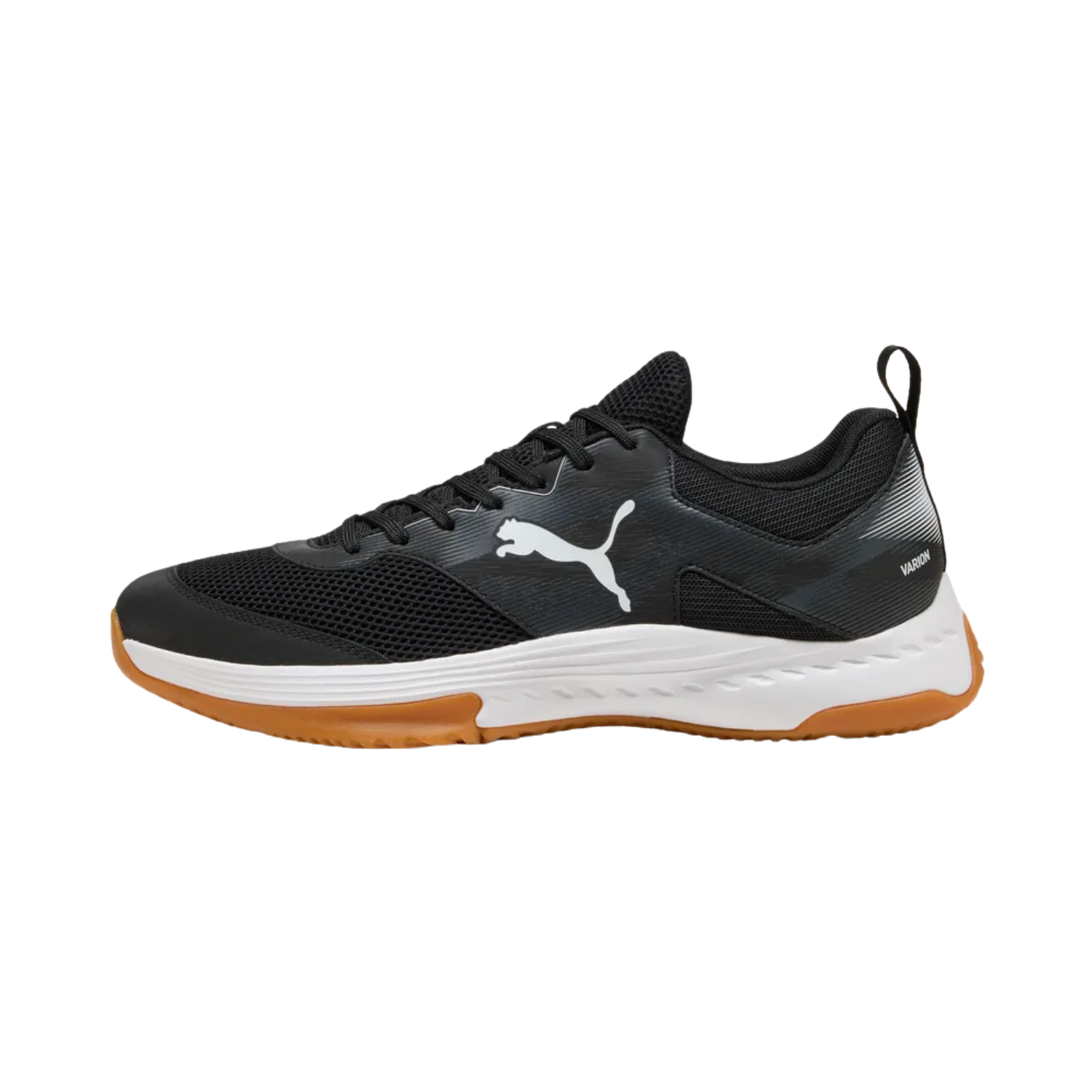
Squash has fewer kit rules than most sports, but the ones it has are enforced. Non-marking indoor shoes are mandatory on every UK court — this is a condition of court hire, not a preference, and clubs will turn you away in running trainers because they scuff the floor. Beyond that, the rules only really dictate your ball.
Ball grade is where most beginners go wrong. The double yellow dot ball is the competition standard and it barely bounces until it is properly warm, which means two new players will spend their first hour chasing a dead ball around the back corners. Start on a Progress or Intro ball and move down as your swing improves — our guide to squash ball colours explains which dot to buy at each level. For frames, our best squash rackets guide covers weight and balance in detail.
Top picks from Central Sports
Everything below was in stock at Central Sports when this guide was written, and each one maps to a rule above.
- Dunlop Pro Squash Ball, 3-Ball Tube, Double Yellow — £8.37. The competition-standard ball. If you are playing a league match or a box league fixture, this is the one the rules assume you are using.
- Dunlop Progress Squash Ball, single — £2.89. The right ball for anyone in their first year. Bounces enough to let you build rallies instead of chasing dead balls into the back corners.
- Black Knight Hummingbird TC — £75.00. The most accessible frame in our in-stock range and a sensible first proper racket once you have decided squash is sticking.
- Ashaway PowerKill Meta XBC 135g — £87.99. A 135g frame for club players who already hold the T and want more control on the boast and the drop.
- Karakal Pro 2500 Junior Eye Protection — £23.00. Required kit for junior competition and the cheapest insurance in the sport.
Browse the full squash range at Central Sports, or go straight to squash rackets, squash balls and non-marking squash shoes.
Squash rules FAQ
What are the basic rules of squash in the UK?
Point-a-rally scoring to 11, win by two, best of five games. Serve with one foot in the box to the front wall between the service and out lines, landing in the opposite back quarter. Every return must reach the front wall before bouncing twice on the floor, above the tin and below the out line. Interference is resolved as a let, a stroke or a no let. Non-marking indoor shoes are required on court.
Can you only score on serve in squash?
Not under the current rules. PAR-11 awards a point to whoever wins the rally, server or receiver. Serve-only scoring belongs to the older hand-in/hand-out system played to 9, which still appears in some UK club and box leagues — so it is worth confirming before you start.
What are the rules of England squash?
England Squash adopts the World Squash Federation rules, so the scoring, serving and interference rules are the same ones described above. What England Squash adds is domestic competition regulation — league structures, gradings and the requirement for approved eye protection in junior competitive play.
Is squash harder than pickleball?
Physically, yes, by a distance. Squash demands continuous sprinting, lunging and direction changes in an enclosed court, and the ball dies quickly so you must reach almost everything. Pickleball is far gentler on the body and quicker to learn. Squash is the harder sport to play well and the harder workout; pickleball is the easier sport to start.
What happens if the ball hits my opponent?
If the ball was travelling directly to the front wall and would have been a good return, it is a stroke to you. If it was heading for a side wall first, it is usually a let. This is precisely why clearing properly after your shot matters — standing still in the wrong place loses rallies.
Ready to get on court?
Learn the scoring in one session, the serve in two, and give yourself a season on lets and strokes. The players who improve fastest are the ones who call interference honestly against themselves early on, because it forces them to clear properly and hold the T. When you are ready to kit up, the whole squash range at centralsports.co.uk is stocked and picked by people who play the game.