The face material of a pickleball paddle has a huge effect on how it plays, yet it is often overlooked. The two most common choices, carbon fibre and fibreglass, pull in opposite directions: one favours control and spin, the other favours power. Here is how to pick the right one.
Quick answer: Carbon fibre paddle faces offer superior control, feel and spin thanks to their textured surface, making them ideal for touch players and the soft game. Fibreglass faces are stiffer and more powerful, returning more energy for extra pop. Choose carbon for control and spin, fibreglass for power.
What the paddle face does
Beneath the face sits the polymer honeycomb core, but it is the surface material that first meets the ball. The face determines how much the ball grips (for spin), how firm or soft the contact feels, and how much energy is returned as power. Getting it right is just as important as choosing weight or thickness.
Carbon fibre: control and spin
Carbon fibre, including premium raw T700 carbon, has a slightly textured surface that grips the ball, generating more spin. It is prized for:
- Control and touch: A softer, more connected feel for dinks, resets and precise placement.
- Spin: The raw, textured surface bites the ball, helping you shape topspin and slice.
- Consistency: A stable, predictable response shot after shot.
The trade-off is slightly less raw power than fibreglass, but for players who win with placement and spin, carbon is the clear choice. Browse our carbon fibre pickleball paddles.
Fibreglass: power and pop
Fibreglass is stiffer and less flexible than carbon, so it returns more energy to the ball on impact. Its strengths are:
- Power: More pop off the face for drives and put-aways.
- A lively feel: The ball springs off the surface, rewarding aggressive hitting.
- Value: Often a more affordable route to a punchy, powerful paddle.
The downsides are a little less control and typically a smaller effective sweet spot, so consistency can be harder to find. See our fibreglass pickleball paddles.
Carbon vs fibreglass compared
| Attribute | Carbon fibre | Fibreglass |
|---|---|---|
| Control | Excellent | Good |
| Spin | Excellent (textured face) | Moderate |
| Power | Moderate | Excellent |
| Feel | Soft, connected | Firm, poppy |
| Sweet spot | Larger, forgiving | Smaller, more concentrated |
| Best for | Touch and spin players | Aggressive, power players |
Which should you buy?
- Choose carbon fibre if you value control, spin and a soft feel, if you enjoy the strategic soft game at the kitchen, or if you are a beginner wanting forgiveness. It is the most popular all-round choice.
- Choose fibreglass if you play aggressively, want maximum power and pop, and have the technique to control a livelier face.
Many players ultimately prefer carbon for its blend of control, spin and forgiveness, which is why raw carbon paddles dominate the modern game. But if your game is built on power, fibreglass can be genuinely exciting to play with.
Pairing face with core thickness
Face material works hand in hand with core thickness. A carbon face on a 16mm core creates a control-and-spin masterpiece for the soft game. A fibreglass face on a thinner core doubles down on power for attackers. Think about the combination, not just one spec, to build a paddle that matches your style. Read our guide to paddle thickness to complete the picture.
Brands to look at
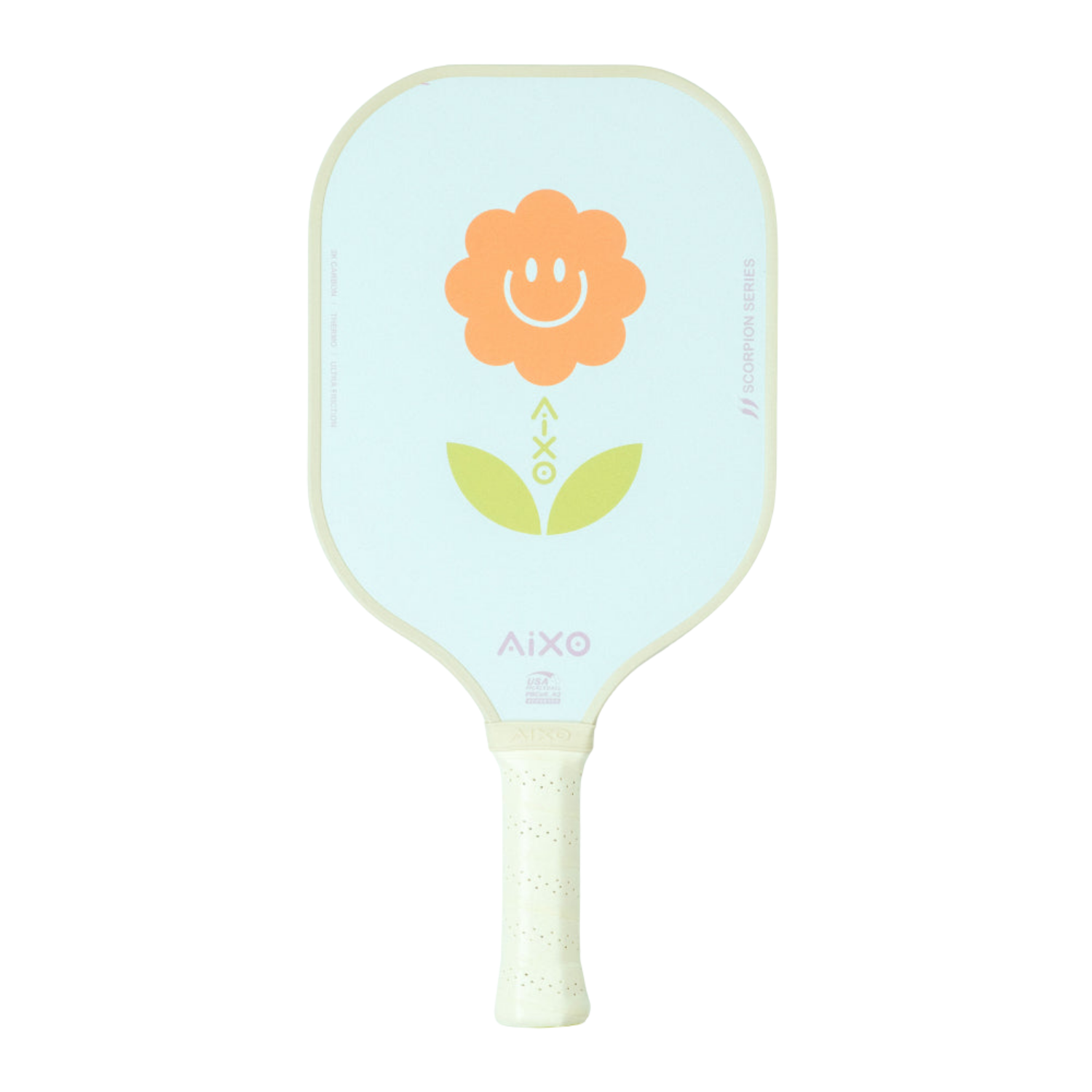
Leading brands offer excellent paddles in both materials. Head, Aixo, Joola and Selkirk all produce carbon-faced control paddles, while many ranges include fibreglass or hybrid options for players who want more power. Trying both, if you can, is the best way to feel the difference for yourself.
FAQs
Is carbon fibre or fibreglass better for pickleball?
Neither is universally better. Carbon fibre excels at control and spin; fibreglass excels at power. The right choice depends on your playing style, with carbon being the more popular all-round option.
Do carbon fibre paddles have more spin?
Yes. Carbon fibre faces, especially raw T700 carbon, have a textured surface that grips the ball, generating noticeably more spin than smoother fibreglass faces.
Are fibreglass paddles good for beginners?
Fibreglass paddles offer more power but less control and a smaller sweet spot, which can make them harder to learn on. Most beginners are better served by a forgiving carbon-faced paddle.
What is a raw carbon paddle?
A raw carbon paddle has an unpainted, textured carbon fibre surface (often T700 grade) that maximises grip on the ball for spin and control. It is highly popular in the modern game.
Find your ideal paddle face
Whether you want the control and spin of carbon or the raw power of fibreglass, the right face material makes all the difference. Browse our carbon fibre pickleball paddles or fibreglass pickleball paddles, or see the full pickleball collection to compare, all backed by expert UK racket-sport advice.