tennis equipment

Tennis Rules UK 2026: Scoring, Serving and Faults

Tennis rules explained for UK players: scoring, serving, faults, lets, tie-breaks and doubles, plus how calls work with no umpire. Updated 2026.
Tennis

Tennis Racket Grip Size Guide UK 2026: L1-L4 Explained

How to measure your tennis racket grip size, what L1-L4 mean, and how overgrips change the fit. UK sizing chart plus in-stock grips from Central Sports.
tennis balls

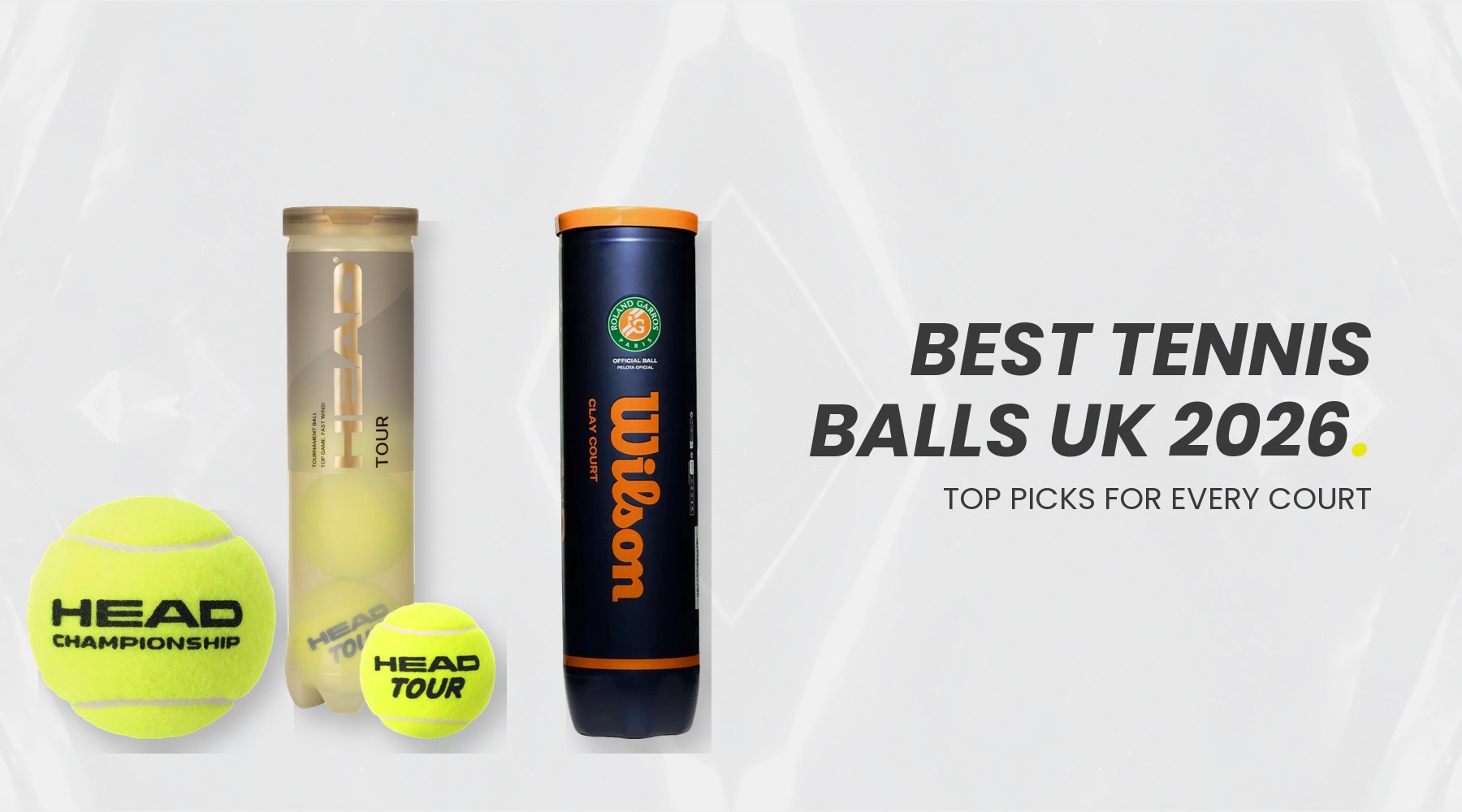
Best Tennis Balls UK 2026: Buyer's Guide & Top Picks

Discover the best tennis balls in the UK for 2026. Compare pressurised match, practice and junior balls from Wilson, Head, Babolat and more — with expert picks from Central Sports.
racket care

When to Restring Your Tennis Racket: UK 2026 Guide

Not sure when to restring your tennis racket? Our UK 2026 guide covers how often to restring, the warning signs, and the best strings to choose.

Best Tennis Rackets Under £100 (2026 UK)

Quick answer: you don't need to spend big to get a genuinely good starter or club-level racket — entry-level frames from Wilson, Head, Babolat and Dunlop regularly deliver a forgiving, comfortable, all-round spec for under £100, ideal for beginners and improving club players. What to expect at this price point Sub-£100 rackets are typically aimed at beginners and improving recreational players. Expect a lightweight, forgiving frame with a larger head size (100-107 sq in) and an open string pattern — all features that make the game easier while you're building technique, timing and consistency. What you're trading off Budget frames won't match premium rackets on refinement of feel, advanced customisation options, or the very last word in stability at high swing speeds. For learning the game, developing consistent strokes, and playing club-level tennis, that trade-off is rarely noticeable — the difference matters far more once you're at an advanced, competitive level. What to look for under £100 Head size 100-107 sq in: a bigger, more forgiving sweet spot helps you make solid contact more often while you're learning. Weight 260-285g strung: light enough to swing comfortably and consistently across a full session. Open string pattern (16x19): easier access to spin and a slightly softer feel on contact. A recognisable brand: entry-level frames from established brands are generally built to a more consistent quality standard than unbranded budget options. Who this price point suits Complete beginners who aren't ready to commit to a premium frame before they know their game. Parents buying for juniors moving into a full-size adult racket. Casual and social players who want a comfortable, reliable racket without chasing the latest tech. Our recommendation At this price point, prioritise comfort and forgiveness over any single spec — a light, larger-headed frame from a recognised brand will serve most beginners and social players well, and you can always upgrade once you know what you're looking for in a racket. Related tennis racket guides Control vs power vs spin rackets: which type suits you? Tennis racket stiffness explained: RA rating and arm comfort Best tennis rackets for advanced players (2026) When to replace your tennis racket: signs it's time

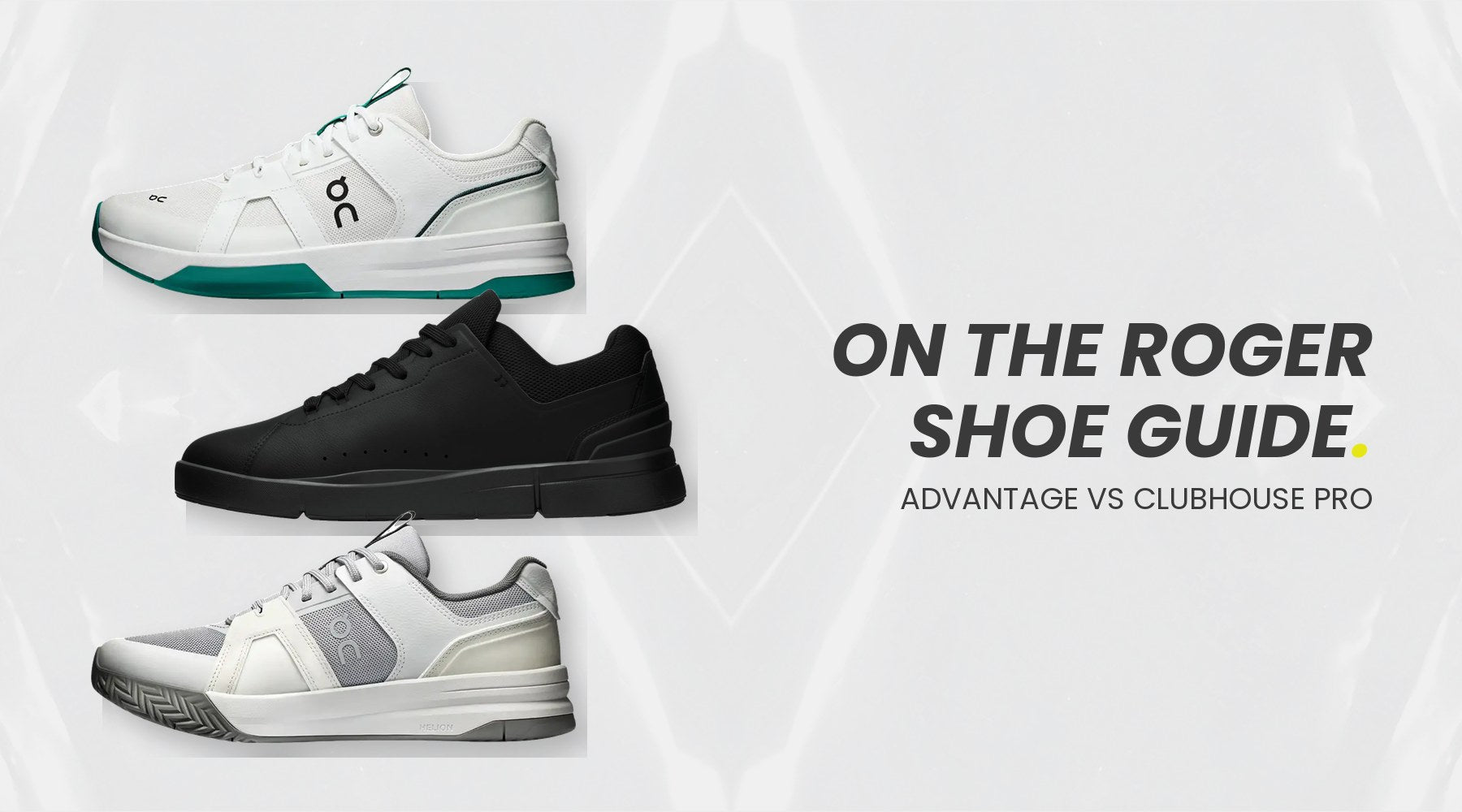
How to Choose Tennis Shoes: A Complete UK Buyer's Guide (2026)

Quick answer: the right tennis shoe depends mainly on your court surface (hard, clay or grass/all-court), your foot shape and pronation, and how much lateral support you need. Match the outsole to your surface first, then focus on fit and support. Start with your court surface Hard court: the most demanding surface on shoes — look for durable outsoles and solid cushioning, since hard courts are the toughest on both feet and footwear. Clay court: a herringbone outsole pattern is designed for controlled sliding, which is part of how clay is properly played. A hard-court shoe on clay often grips too much and increases twisting injury risk. Grass/all-court: softer, multi-directional tread designed for grip on natural surfaces without cutting up the court; all-court shoes are a reasonable compromise if you play on a mix of surfaces. Fit and support Lateral support: reinforced side panels for stability during sideways movement — non-negotiable for anyone playing regularly. Toe box: should allow a small amount of room, since feet swell during play, but not so much that your foot slides during sharp stops. Cushioning: more cushioning adds comfort but can reduce court feel and stability. Players who move fast and stop sharply often prefer a firmer, lower-to-ground feel. Width: tennis shoe brands vary in width fit — if you have wider or narrower feet, it's worth trying a couple of brands rather than assuming your usual running shoe size and width will match. Common mistakes to avoid Buying based on running shoe sizing alone — try tennis shoes on and check lateral stability, not just length. Choosing a hard-court shoe for clay, which increases the injury risk from over-gripping during slides. Ignoring outsole wear patterns — the wrong shoe for your surface wears out much faster than the right one. Our recommendation Match your outsole to your primary playing surface first, then prioritise lateral support and a snug (not tight) fit around the midfoot. If you play across multiple surfaces, an all-court shoe is a sensible single-pair compromise.

Best Junior Tennis Rackets (2026 UK): Top Picks by Age & Size

Quick answer: junior rackets are sized by length rather than adult specs like head size and weight — the right size depends mainly on your child's height, not their age. Popular junior lines include the Wilson US Open/Roland Garros junior series, Babolat Ballfighter/Pure Aero Junior, Yonex EZONE Junior and Head Novak/Speed Junior. Why junior rackets are sized differently Adult rackets are described by weight, head size and balance. Junior rackets are primarily described by length (in inches), since a growing child's main limitation is arm length and strength rather than swing style. A too-long or too-heavy racket makes it hard to control the racket head and can develop poor technique early on. Rough sizing guide by height Up to around 110cm: 19-21 inch rackets, the smallest junior sizes for very young beginners. Around 110-125cm: 23 inch rackets. Around 125-140cm: 25 inch rackets. Around 140-155cm: 26 inch rackets. Above around 155cm: many juniors move into a full-size 27 inch adult racket, often a lighter junior-specific or lightweight adult frame. These are general guides rather than strict rules — a coach's recommendation based on your child's strength and comfort is worth more than height alone. Popular junior racket lines Wilson junior series (US Open/Roland Garros): widely available across sizes, durable and beginner-friendly. Babolat Ballfighter / Pure Aero Junior: colourful, lightweight options that mirror Babolat's adult lines as kids grow. Yonex EZONE Junior: comfortable, well-balanced frames that scale up through the size range. Head Novak / Speed Junior: lightweight frames designed to build good habits early, with sizes tracking Head's adult Speed line. Signs it's time to size up If your child is having to muscle the racket through the swing, struggling to get the racket back in time, or has clearly grown since their last racket, it's likely time to move up a size. Most juniors need a new racket every year or two as they grow. Our recommendation Measure your child's height and use it as a starting guide, but don't be afraid to size down slightly if a recommended length still feels too heavy or long to control — good technique with an easier-to-control racket beats a nominally "correct" size that's a struggle to swing. Related junior tennis guides Junior tennis racket size guide: what size by age and height How to hold a tennis racket: grip types explained Shop junior tennis rackets

Best Tennis Rackets for Doubles (2026)

Quick answer: doubles rewards quick hands at the net, fast reactions and manoeuvrability more than raw baseline power, so a slightly lighter, more head-light, control-friendly frame with a fast swing often suits doubles better than a heavy, spin-focused baseline racket. Strong 2026 picks include the Wilson Clash 100, Babolat Pure Strike, Yonex EZONE 98 and Head Speed MP. What doubles demands from a racket Doubles is played much more at the net, with faster exchanges, more volleys and quicker reaction time needed than singles. Court coverage is shared, so raw power and baseline grinding matter less than manoeuvrability, touch and the ability to react and block quickly at the net. Key specs for doubles Manoeuvrability: a slightly lighter frame or more head-light balance helps you get the racket to volleys and quick exchanges faster. Comfort and control: touch at the net for drop volleys and angled shots matters more in doubles, so a control-friendly, comfortable frame is often a better fit than a pure power frame. Stability on reflex volleys: some added weight or a stable frame helps absorb the pace of fast net exchanges without the racket twisting in your hand. Notable 2026 options Wilson Clash 100: excellent comfort and flex, forgiving for quick net reactions and off-centre volleys. Babolat Pure Strike: control-oriented with good manoeuvrability, suited to players who like to dictate the net. Yonex EZONE 98: comfortable, stable, and versatile for both net play and baseline exchanges. Head Speed MP: manoeuvrable and spin-friendly, useful for quick transitions between baseline and net. Don't overlook your doubles partner's game If you're the stronger net player in your partnership, prioritise touch and reaction speed in your frame. If you spend more time at the baseline setting up points, a slightly heavier, more stable frame may suit you better even in doubles. Our recommendation Favour manoeuvrability and touch over raw power for doubles — you'll get more value from quick hands at the net than from added baseline pace, since so many doubles points are decided in the forecourt.

What Equipment Do You Need to Start Playing Tennis? A Beginner's Kit Checklist (2026 UK Guide)

Quick answer: to start playing tennis, you need a racket, tennis balls, proper tennis shoes and comfortable sportswear. Everything beyond that — bags, grips, overgrips, dampeners — is useful but optional as you get going. The essentials Racket: a lightweight, forgiving frame (260g-285g strung, 100-105 sq in head) is the easiest starting point for a beginner, giving a bigger sweet spot and more built-in power. Tennis balls: a standard tube covers your first few sessions. Beginners don't need pressureless or specialist balls — regular pressurised balls are fine. Tennis shoes: proper tennis shoes with lateral support matter far more than most beginners expect — running shoes are not built for the sideways movement tennis demands and increase your risk of a rolled ankle. Comfortable sportswear: anything breathable that allows full range of movement works. You don't need dedicated tennis clothing to get started. Useful but not essential Overgrip: most rackets come with a basic grip, but adding an overgrip improves comfort and sweat absorption — cheap and easy to replace as it wears. Racket bag: not essential for one racket, but useful once you're carrying spare balls, a water bottle, and other kit to sessions regularly. Vibration dampener: a small, optional add-on that changes the sound and feel of ball contact — personal preference rather than a performance necessity. Sun protection: a cap and sunscreen if you're playing outdoors — easy to forget but genuinely useful for regular players. What you don't need yet Skip premium strings, multiple rackets, or specialist court-specific shoes until you know how often and where you'll be playing. Beginners are far better served spending on a comfortable, forgiving racket and proper shoes than on marginal upgrades they won't yet notice the benefit of. Our recommendation Start simple: one forgiving racket, a tube of balls, proper tennis shoes and comfortable kit. Add extras like an overgrip, bag or dampener once you know how often you'll be playing and what you actually find yourself wanting. Next steps for new players Control vs power vs spin rackets: which type suits you? Tennis racket stiffness explained: RA rating and arm comfort How to hold a tennis racket: grip types explained Junior tennis racket size guide: what size by age and height Trying another racket sport? Badminton guides Squash racket grip guide: overgrip vs replacement Squash guides What is Aixo pickleball? The brand and range explained Pickleball guides