Padel Bag Guide UK 2026: Racket Bags, Backpacks & Covers
Quick answer: Most UK club players need a two or three-racket padel bag with a thermal-lined main compartment, which costs roughly £38–£60. Choose a padel backpack if you walk, cycle or commute to the court and carry one racket; choose a tour-style racket bag if you carry two rackets, court shoes and a change of kit. A padel racket cover protects the frame but does nothing to insulate it, so it is not a substitute for a proper bag.
Padel is the fastest-growing racket sport in Britain, and most new players buy the racket, the shoes and the balls before they give a single thought to what carries them. That is usually a mistake — not because a bag makes you play better, but because a carbon padel racket left in a cold car boot all winter is a racket you will be replacing sooner than you planned. This guide covers what actually separates a good padel bag from a cheap one, what thermal lining does, what size you need, and which bags we currently have in stock at Central Sports.
Padel bag vs padel backpack: which do you actually need?
The honest answer is that it depends entirely on how you get to the court. A padel backpack normally holds one or two rackets in a dedicated padded sleeve, a pair of shoes, a water bottle and your kit. It sits flat on your back, fits under a desk, and is far easier on public transport or a bike. If you play once or twice a week straight after work with one racket, a backpack is the better buy and usually the cheaper one.
A tour-style padel racket bag is a different proposition. It carries two to three rackets, has a separate ventilated shoe compartment, and typically holds a full change of kit with room left over. If you own a spare racket — and most players who play twice a week eventually do — a racket bag stops the spare rattling around loose in a holdall. It is also the sensible choice if you play in a league, where turning up with a backup frame is not optional. Browse both styles in the Central Sports padel bags collection.
Why do padel rackets need a thermal bag?
This is the question almost no UK retailer answers properly, and it matters more here than it does in Spain. A padel racket is an EVA or FOAM core sandwiched between carbon or fibreglass faces and bonded with resin. Those materials behave differently at different temperatures. In genuine cold — think a car boot overnight in January, or an unheated outdoor court in the Midlands in February — the core stiffens, the resin becomes more brittle, and the frame is measurably more likely to crack or delaminate on a mishit or a wall clash.
A thermal compartment is simply an insulated, usually foil-lined sleeve that slows the rate at which the racket reaches ambient temperature. It will not keep a racket warm indefinitely. What it does is stop the racket going from a warm house to a freezing boot to a heated indoor court in the space of an hour, which is the temperature swing that does the damage. In UK conditions that is the single most useful feature on a padel bag, and it is worth paying an extra £10–£15 for. The same logic applies in reverse in summer: a black bag on a car parcel shelf in July can exceed 50°C, which softens the resin.
Padel bag sizes explained: 2-racket, 3-racket and tour
Padel bag sizing is described by racket capacity rather than litres, which confuses people coming from other sports. As a rough guide:
- Padel racket cover — a single padded sleeve. Protects against scuffs in a holdall. No shoe space, no thermal lining, typically £15–£25.
- Backpack (1–2 rackets) — one padded racket sleeve, a shoe or wet compartment, and a main section. Around £45–£60. The right choice for most club players who travel light.
- Racket bag / combi (2–3 rackets) — thermal main compartment, separate shoe pocket, shoulder straps so it can be worn as a backpack. Roughly £38–£70. The default for regular players.
- Tour bag (3+ rackets) — everything above plus a second thermal compartment and considerably more kit space. £75–£95. Overkill unless you play three or more times a week or coach.
One practical warning: padel bags are wider and shallower than tennis bags because the rackets are shorter and thicker. A tennis racket bag will carry padel rackets, but a padel bag will not comfortably carry a tennis frame. If you play both, buy the tennis bag.
What to look for in a padel bag if you play in the UK
Beyond the thermal compartment, four things separate bags that last from bags that do not. First, a genuinely ventilated shoe compartment — British courts, indoor and out, produce damp shoes for eight months of the year, and a sealed pocket turns a bag into a mildew farm. Second, water-resistant base fabric, because bags spend their lives on wet car parks and changing-room floors. Third, YKK or equivalent zips; the zip is what fails first on a cheap bag, and it is not repairable. Fourth, padded backpack straps rather than a single shoulder strap, because a loaded three-racket bag is heavier than it looks by the time you have added two litres of water.
Something to ignore: racket capacity claims that count the outer pockets. A "three-racket" bag with one thermal sleeve is a two-racket bag with a pocket. Check where the padding actually is.
How should you store your padel racket between sessions?
Keep it indoors, at room temperature, out of direct sunlight, and out of the car. That single sentence covers about 90% of avoidable padel racket damage in Britain. Do not leave a racket in a boot overnight in winter or in a parked car in summer. Store it flat or hanging rather than propped face-down under weight, and let a wet bag dry out fully before you zip the racket back into it — trapped moisture is what degrades the grip and, over time, the bumper adhesive.
If you have a spare frame you use rarely, keep it in its cover inside the house rather than in the bag. And check the frame protector every few weeks; a cracked bumper lets grit into the edge of the carbon and is a £10 part that prevents a £200 replacement. If yours is past it, our full padel range covers protectors, grips and accessories alongside the rackets.
Is a padel bag worth it?
If you play once a month and borrow a club racket, no — a cover and a rucksack will do. If you own your own racket and play weekly, yes, and the maths is straightforward. A mid-range padel racket costs £150–£250. A thermal racket bag costs £38–£60 and materially reduces the chance of cold-related frame damage while also stopping the racket getting knocked about in transit. It pays for itself the first time it prevents a cracked frame, and most players keep the same bag through three or four rackets.
Top picks from Central Sports
Every bag below was confirmed in stock on our UK site at the time of writing. Prices are current at Central Sports.
- BullPadel BPP26015 Tour Padel Racket Bag — £38.00 — the best value on this list by a distance. A full tour-shape bag with thermal main compartment and shoe pocket, from a brand that sponsors half the World Padel Tour. If you want one bag and one price, start here.
- Wilson Bela Padel Backpack — £53.20 — the commuter choice. Padded racket sleeve, separate shoe section, and a shape that fits under a desk or in a locker. Ideal if you go to the court straight from work with one racket.
- Adidas Pro Tour 2026 Padel Racket Bag — £56.43 — thermal-lined and built for two to three rackets plus kit. The sensible upgrade for league players who need to carry a backup frame every week.
- Wilson Super Tour Red Padel Bag 2026 — £79.80 — a proper tour bag with the space for three rackets, shoes and a full change of kit. Worth it if you play three or more times a week.
- Wilson Bela V3 Padel Racket Bag — £91.20 — the top of our range, from the Bela line Wilson builds around Fernando Belasteguin. Twin thermal compartments and the best build quality here. Buy it if you coach or carry kit for two.
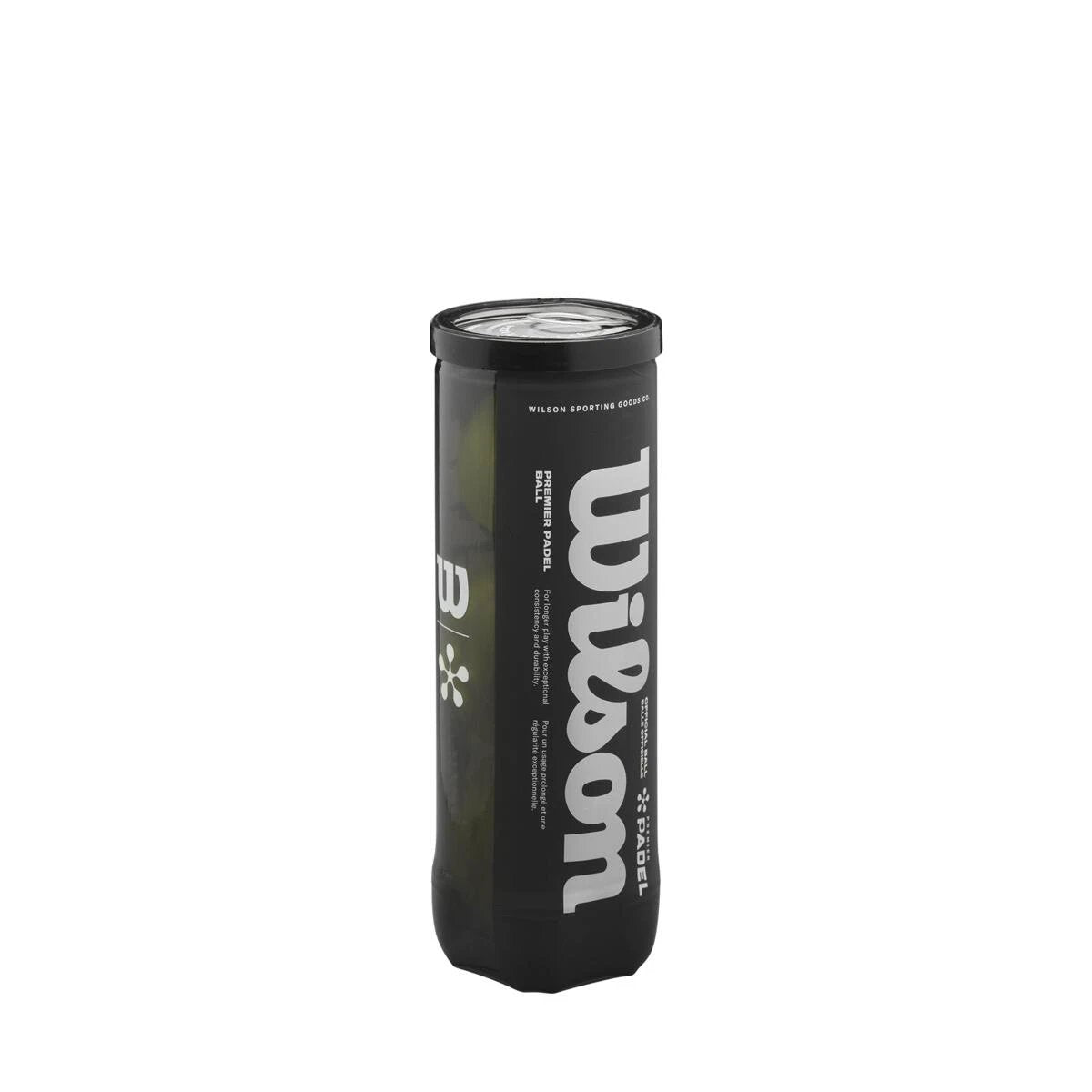
Still choosing the racket that goes inside? Read our best padel rackets UK 2026 guide, check what is reduced in padel rackets on sale, and stock up on padel balls while you are there.
Padel bag FAQs
Is a padel bag worth it?
For anyone who owns their own racket and plays weekly, yes. A £38–£60 thermal bag protects a £150–£250 racket from cold damage and transit knocks, and usually outlasts several rackets.
What is the best bag for padel?
For most UK club players, a two to three-racket thermal bag with a ventilated shoe compartment. The BullPadel BPP26015 Tour at £38.00 is the best value option we stock; the Wilson Bela Padel Backpack at £53.20 is the better choice if you commute to the court.
Why do padel rackets need a thermal bag?
Padel rackets use an EVA or foam core bonded to carbon or fibreglass faces. Rapid temperature changes — a cold car boot, a hot parcel shelf — make the core and resin more brittle and increase the risk of cracks and delamination. A thermal compartment slows that change.
How do you store a padel racket?
Indoors, at room temperature, out of direct sun and out of the car. Let the bag dry fully before zipping the racket away, and store the racket flat or hanging rather than under weight.
Can I use a tennis bag for padel?
Yes. Tennis racket bags are longer and will carry padel rackets without trouble. The reverse does not work well — padel bags are too short for a tennis frame — so if you play both sports, buy the tennis bag.
What is the difference between a padel racket cover and a padel bag?
A cover is a single padded sleeve that protects the frame from scuffs. It has no shoe space and no thermal lining. A bag carries rackets, shoes and kit and insulates the frame. A cover is a useful extra, not a replacement.
The bottom line
Buy for how you travel, not for how it looks on a professional's shoulder. If you walk or cycle to the court with one racket, get a backpack. If you carry a spare frame and shoes, get a two or three-racket thermal bag — and treat the thermal compartment as the non-negotiable feature rather than a marketing line, because British car boots in January are exactly the conditions it exists for. Central Sports stocks padel bags, backpacks and covers from BullPadel, Adidas and Wilson with UK delivery, and our team plays these sports themselves. Have a look at the full padel bags range at centralsports.co.uk, or come and see us in store if you would rather try the fit before you buy.