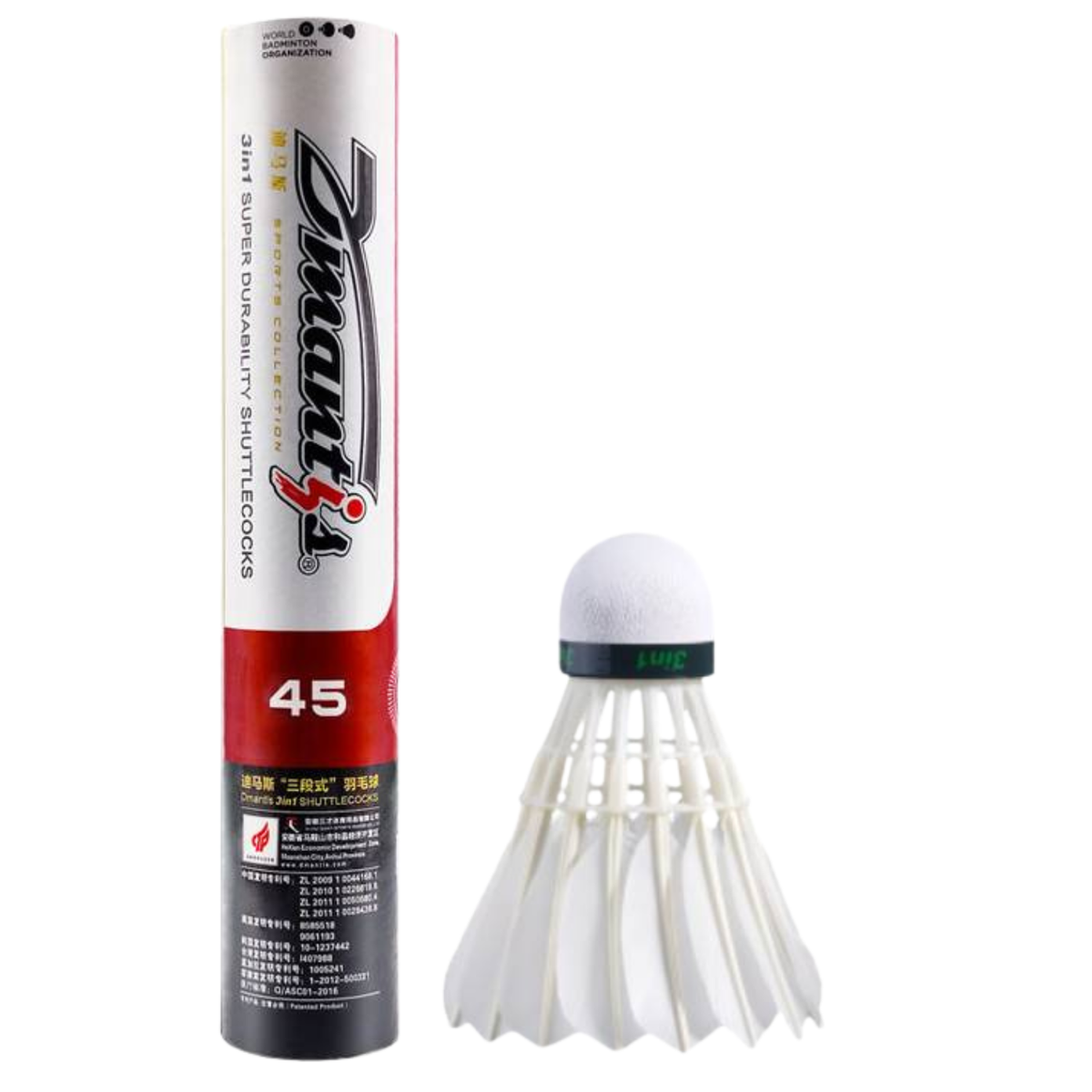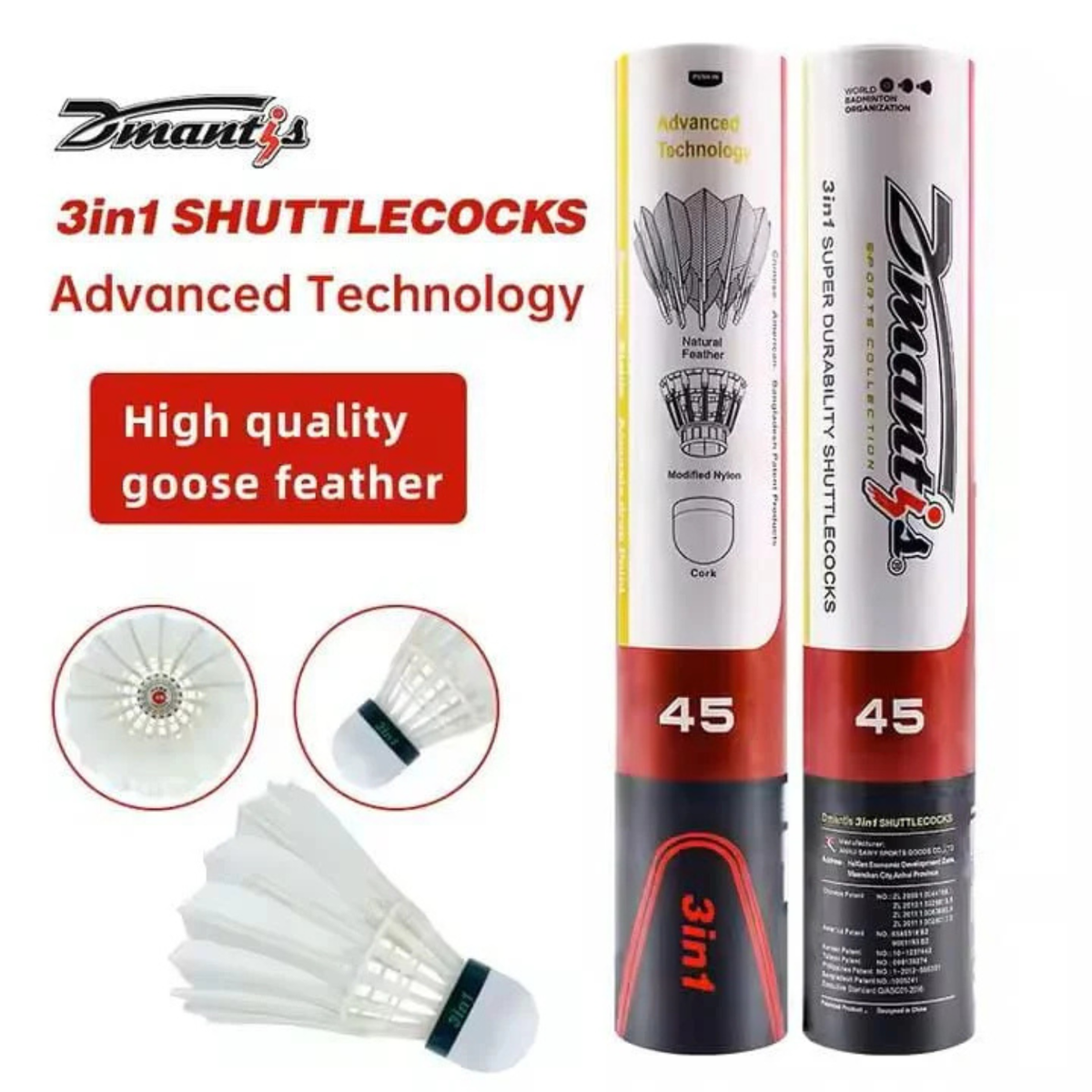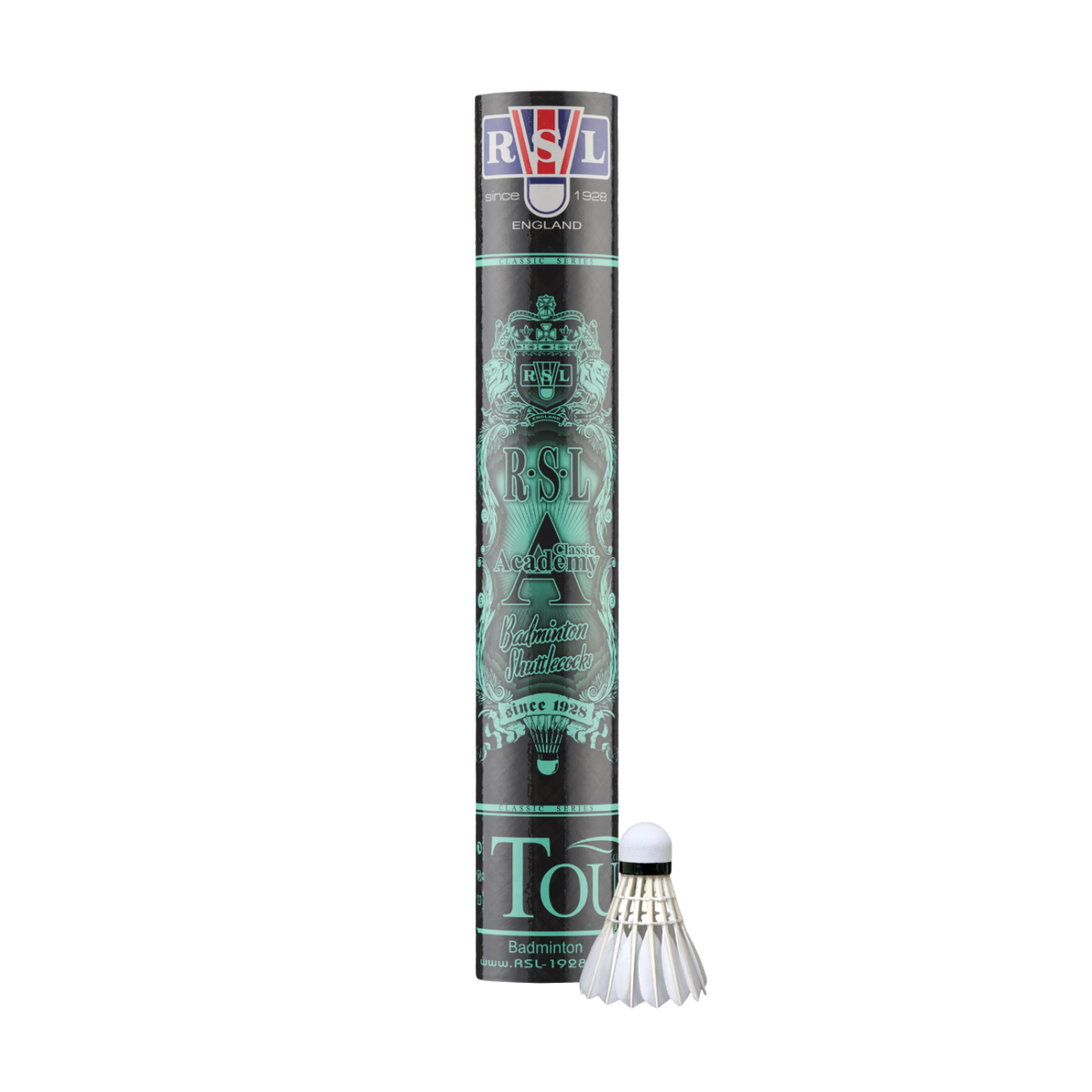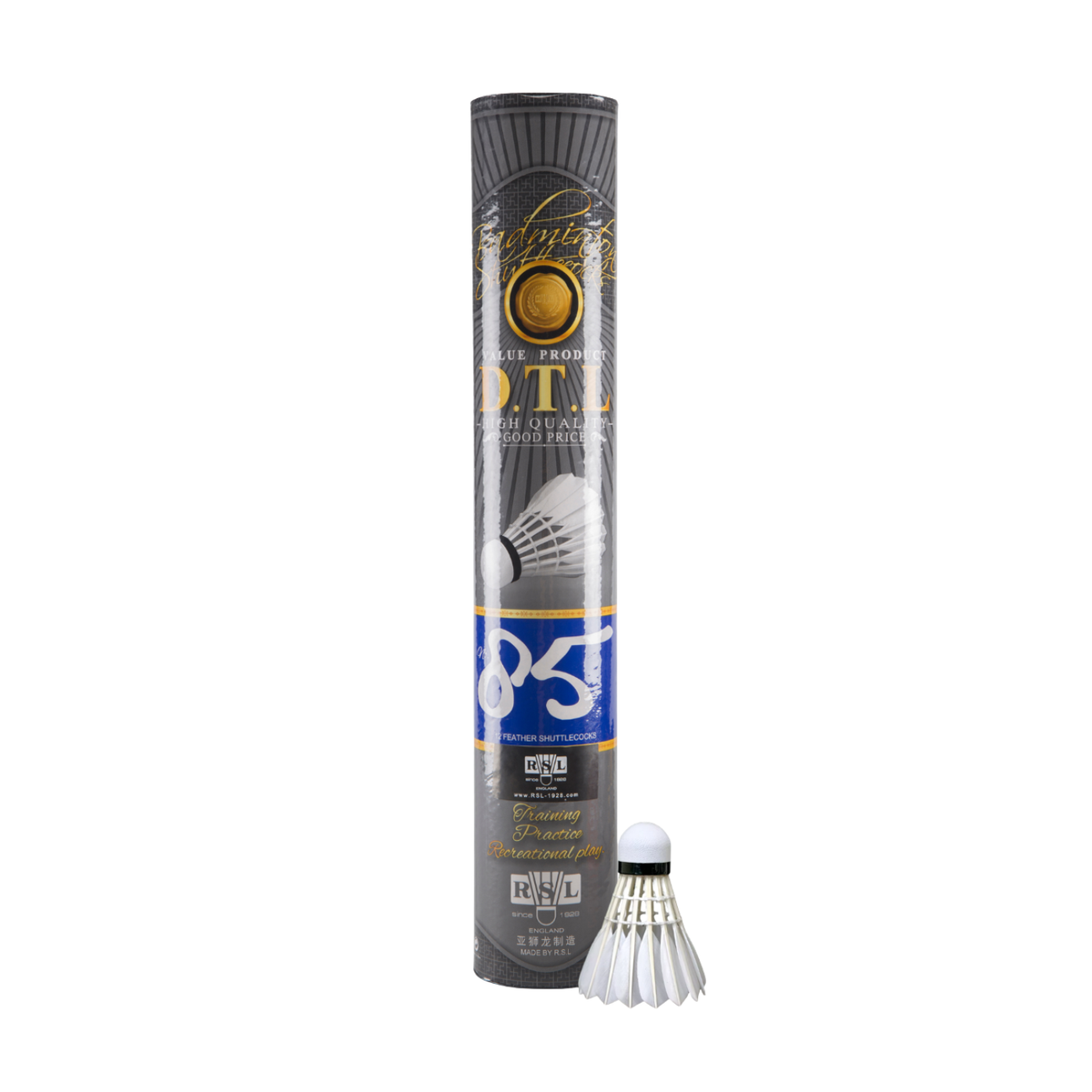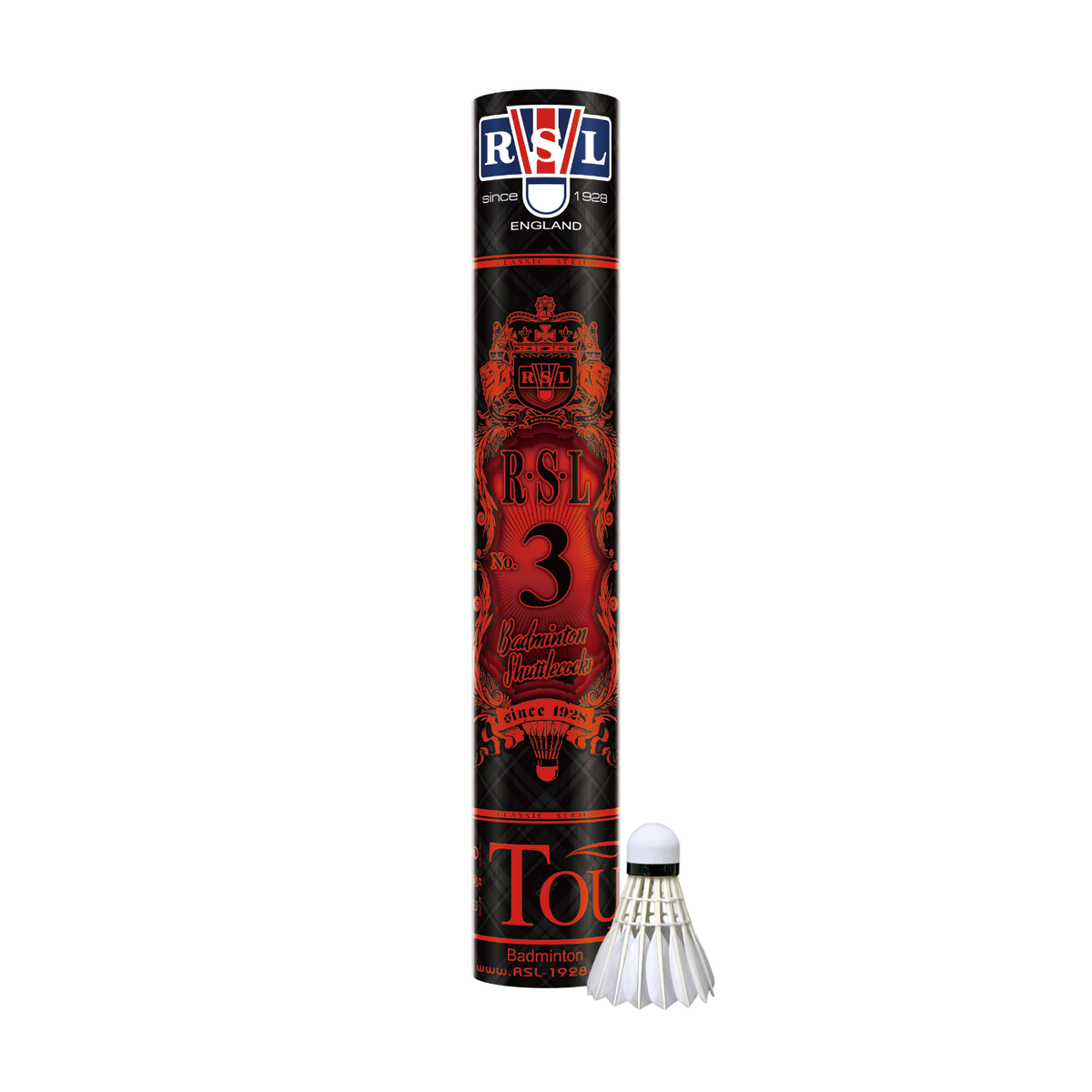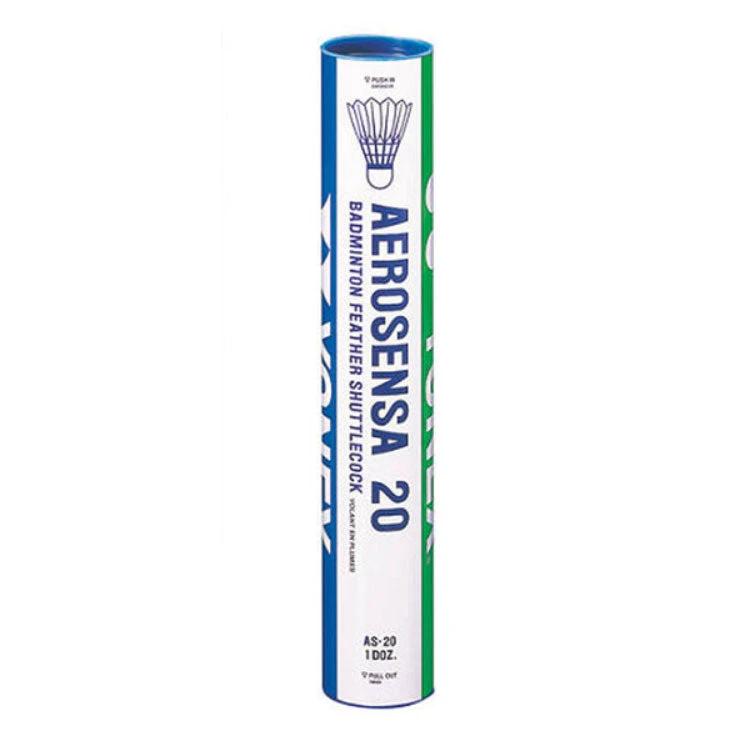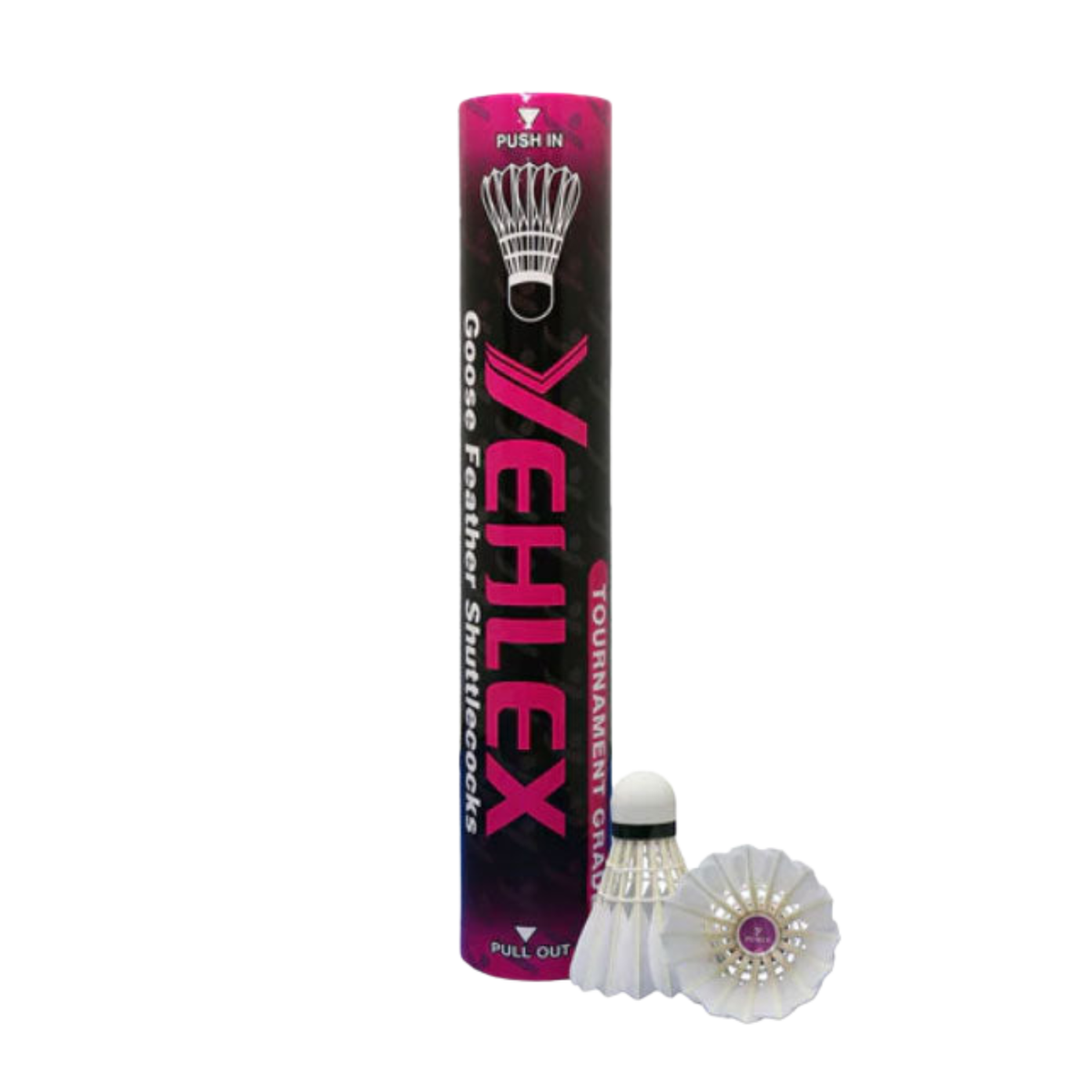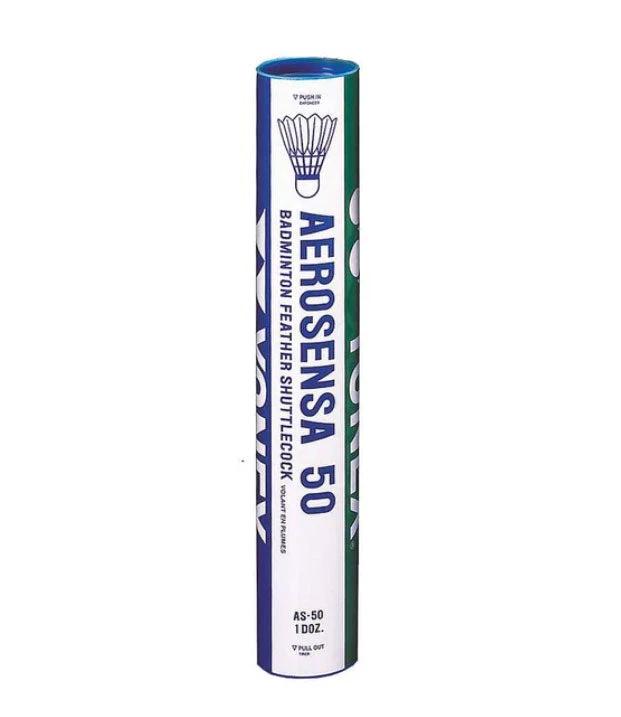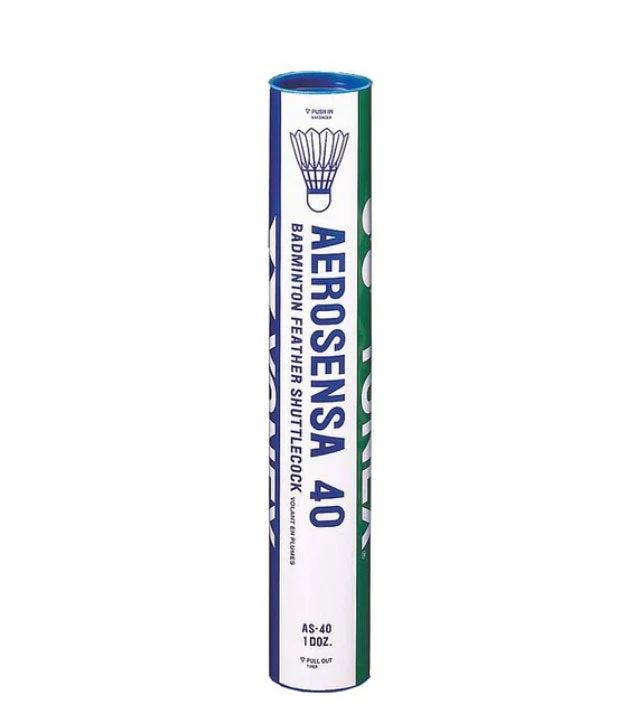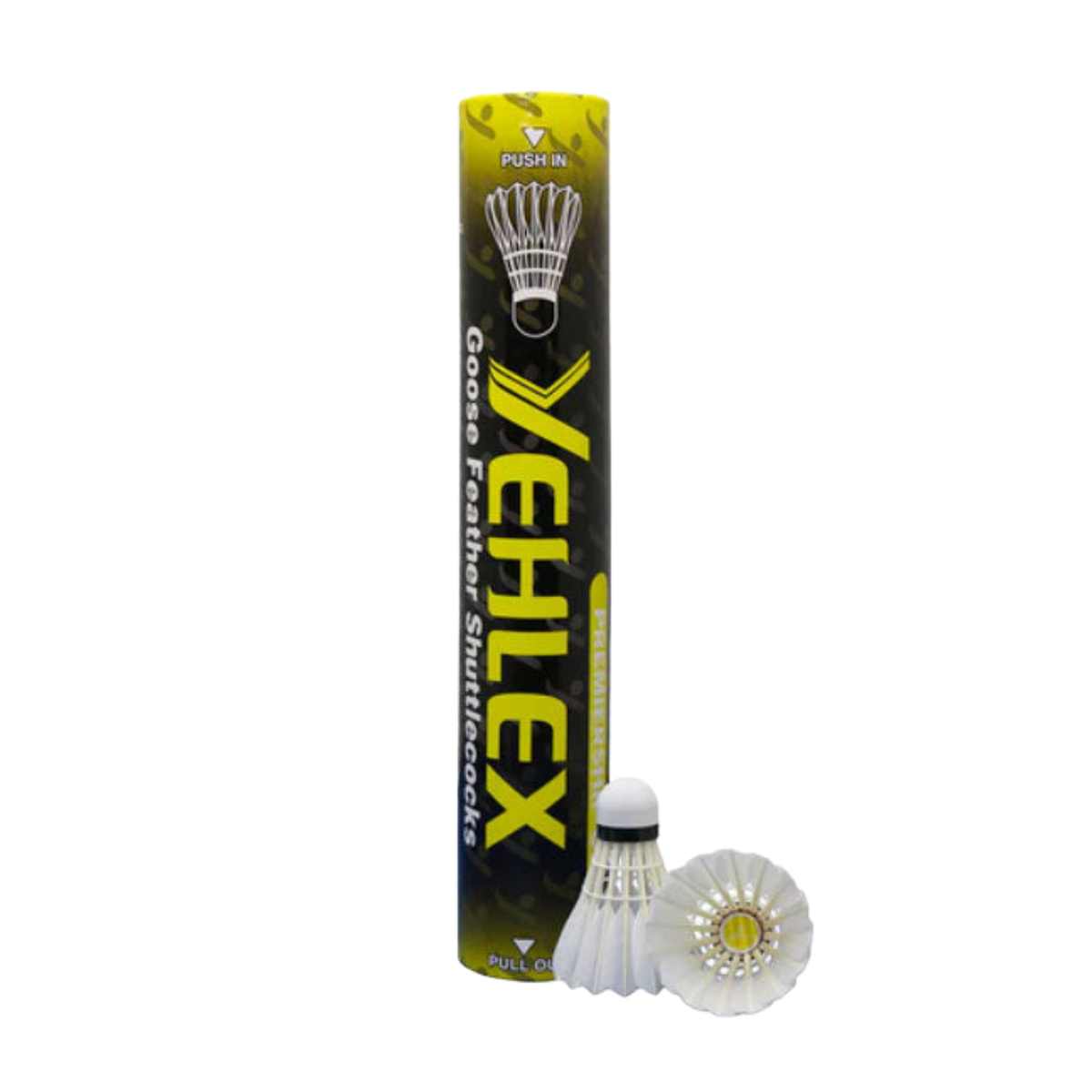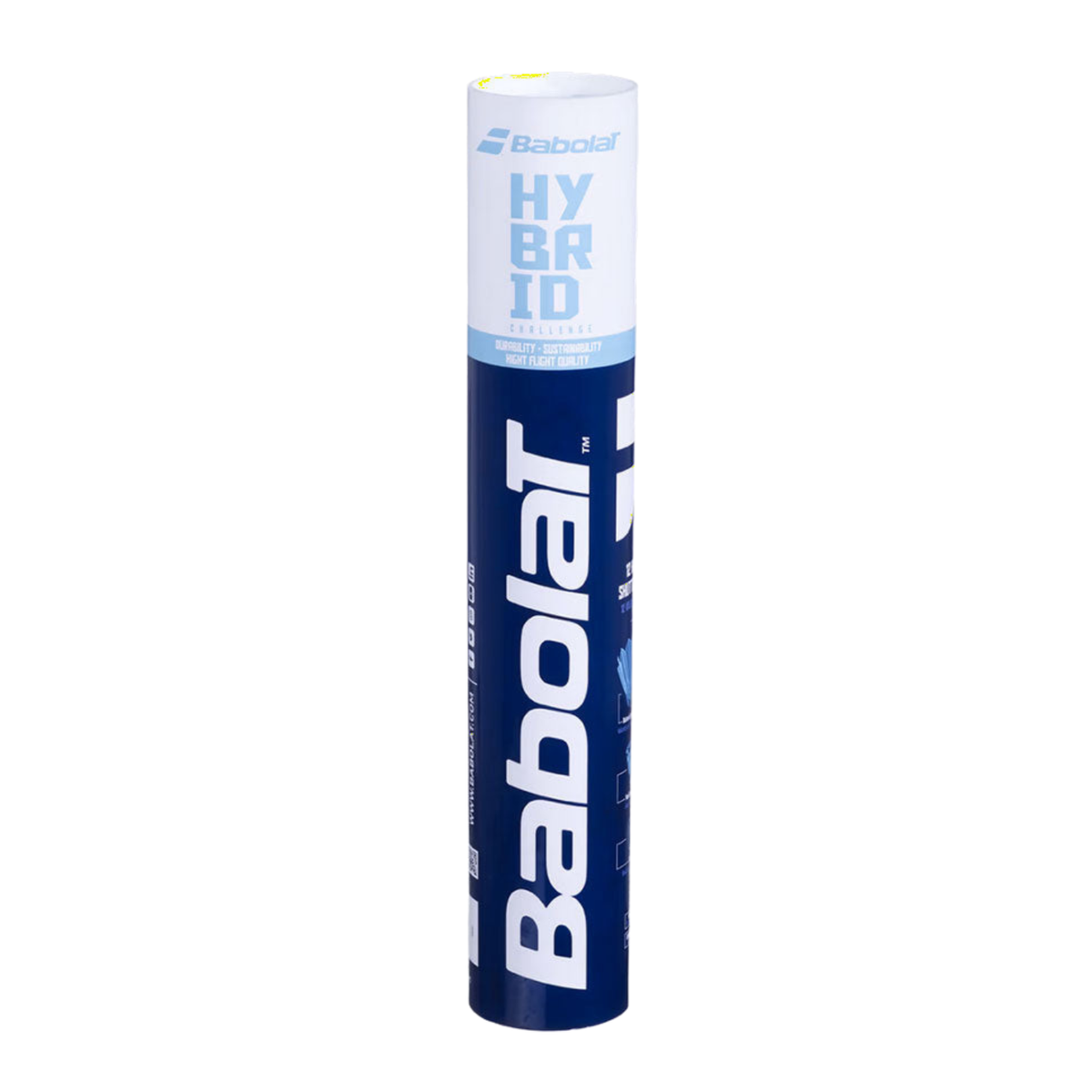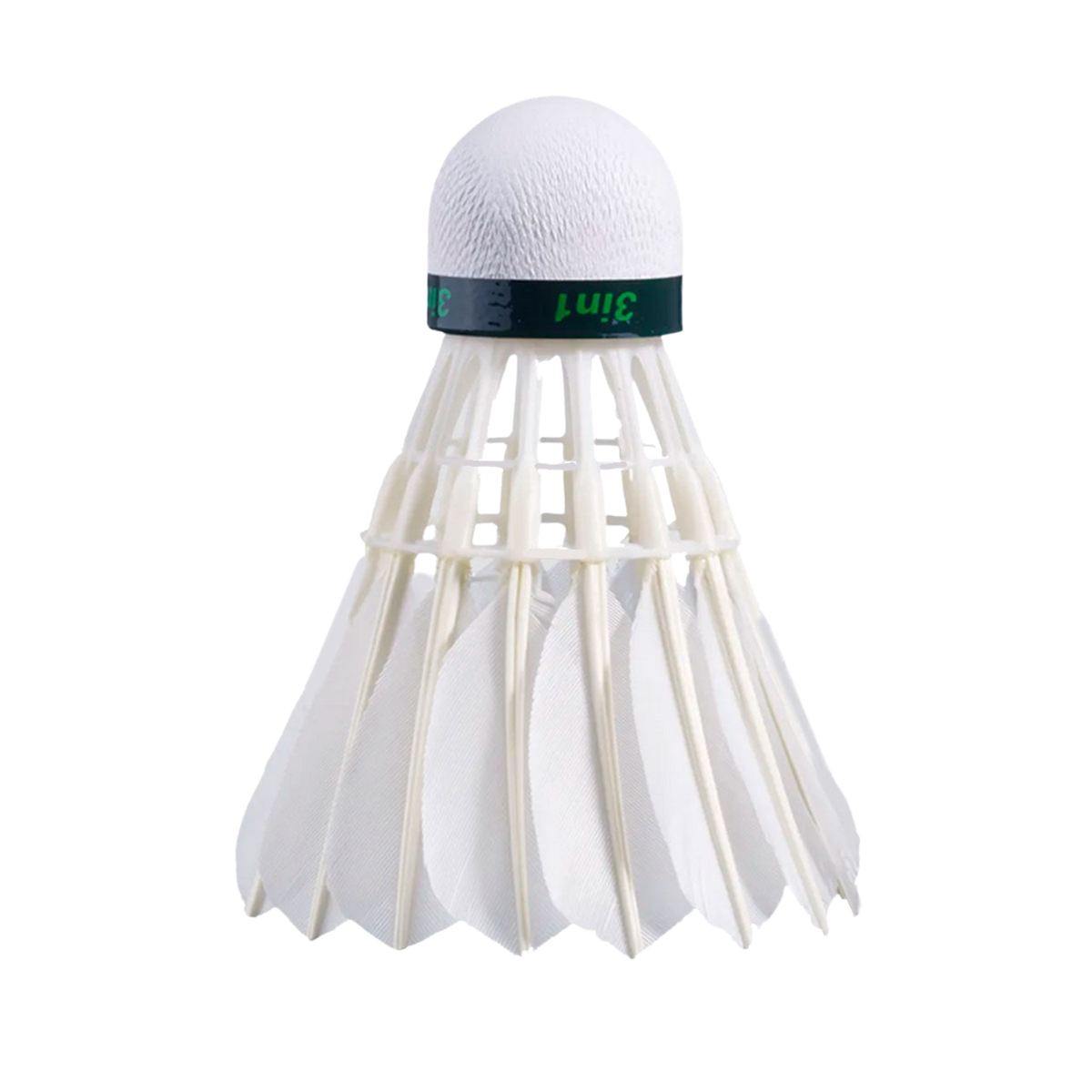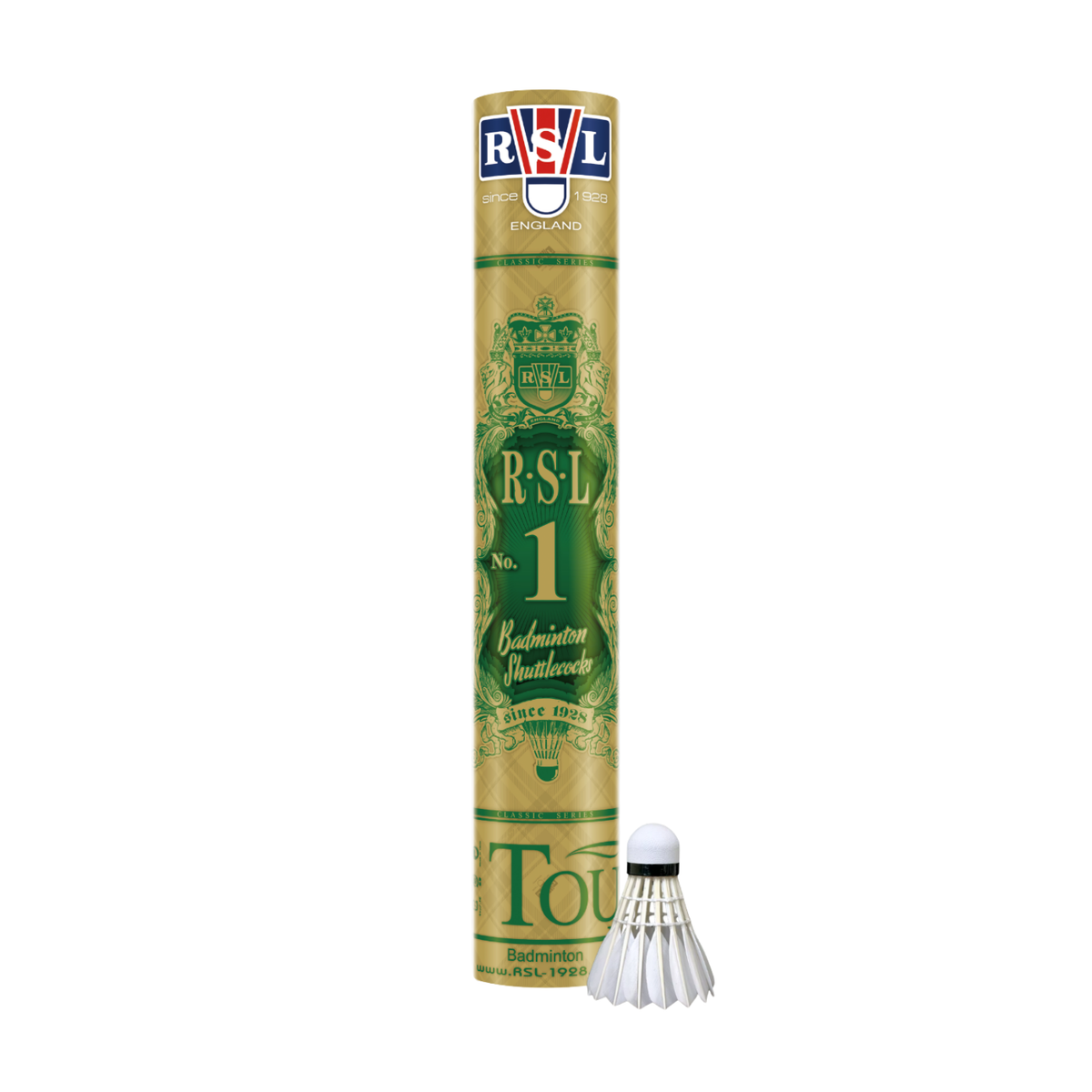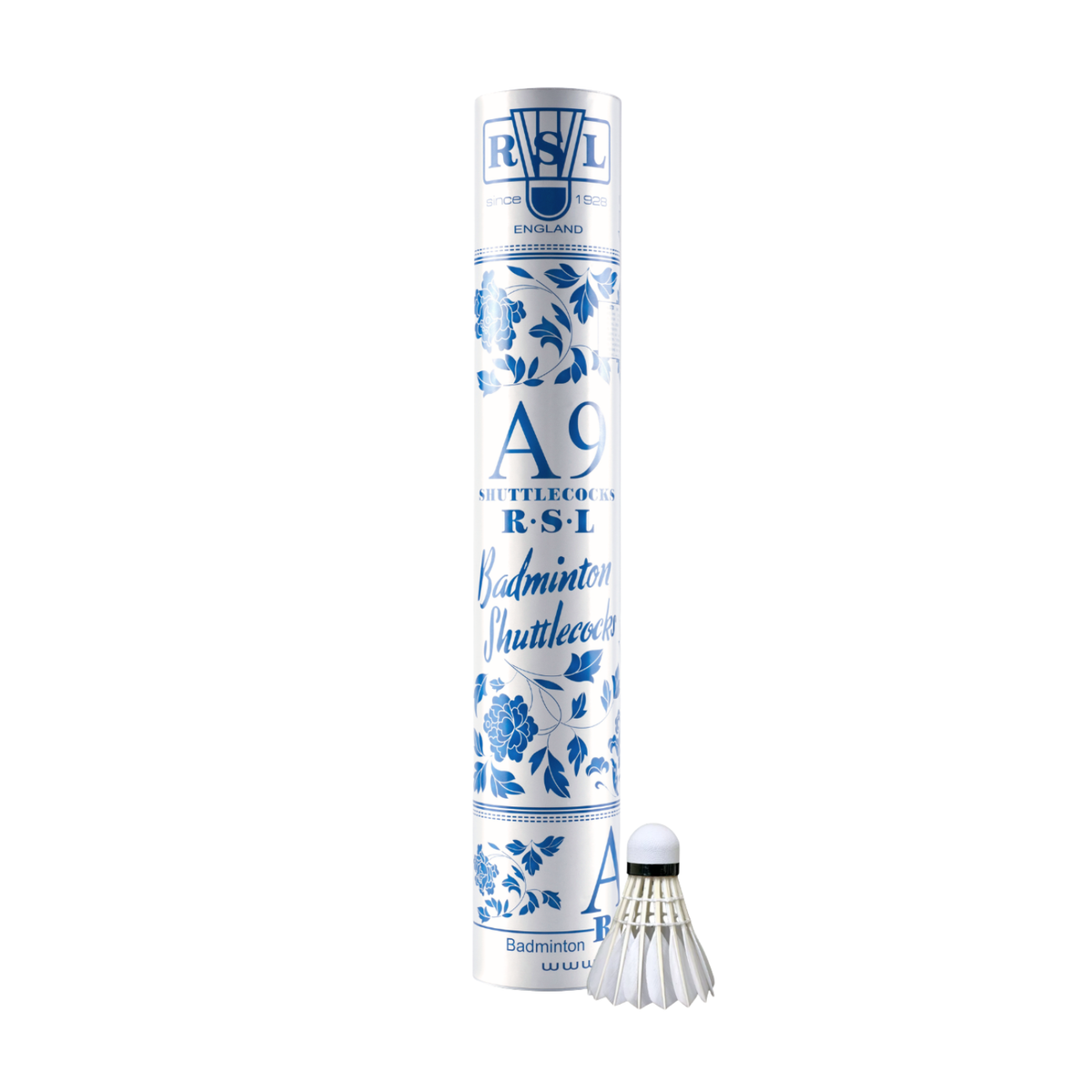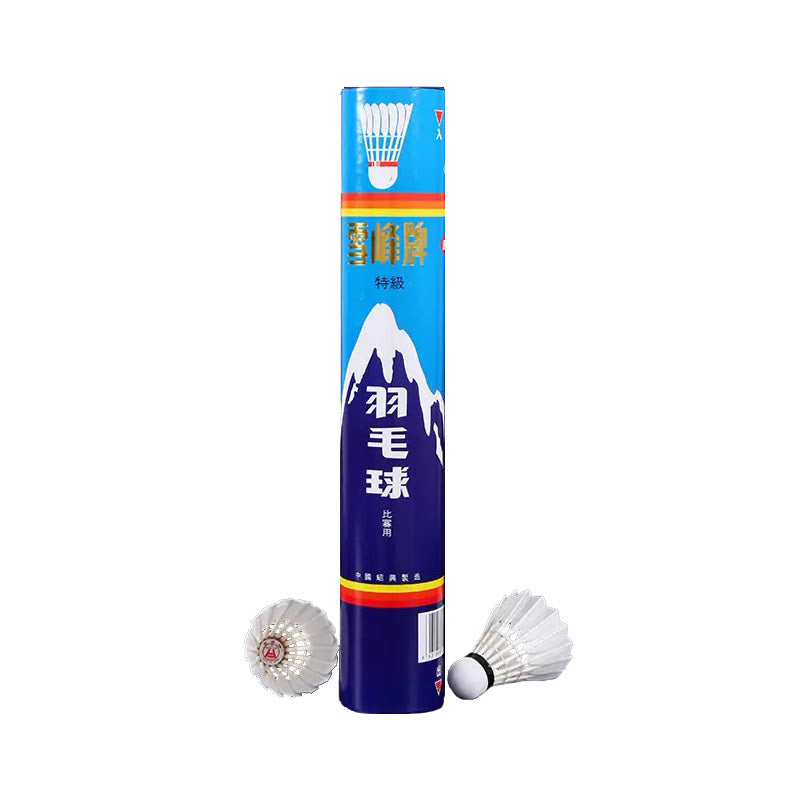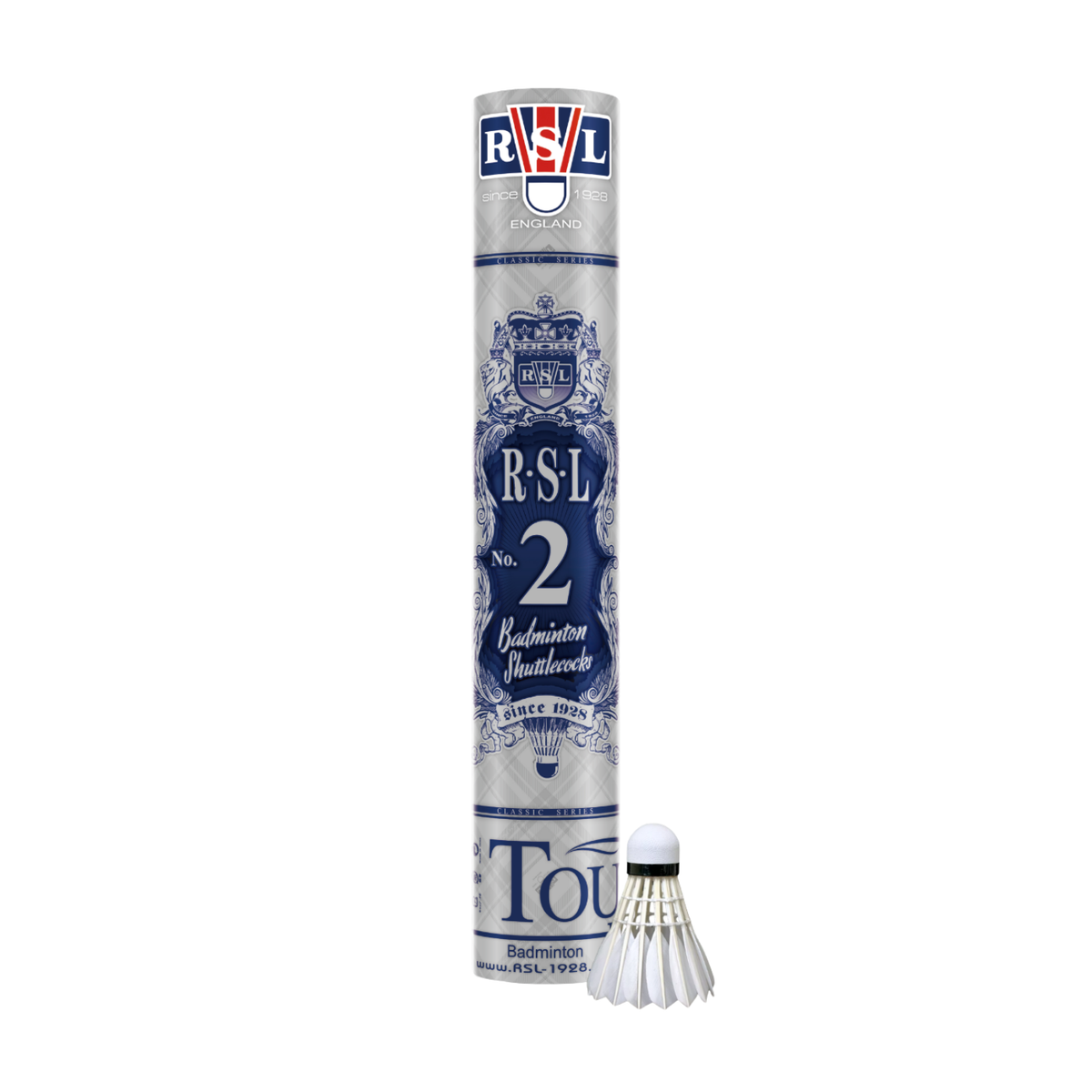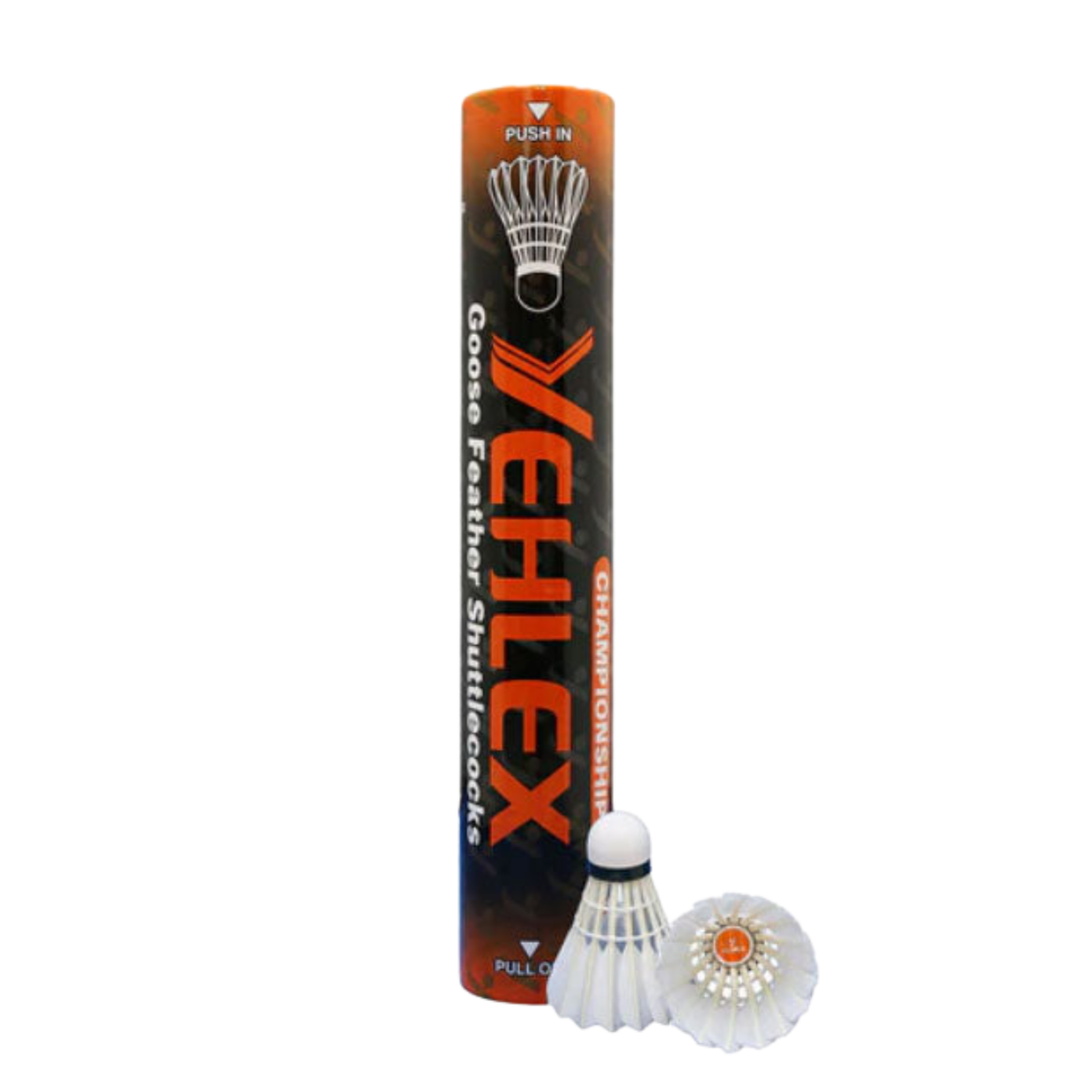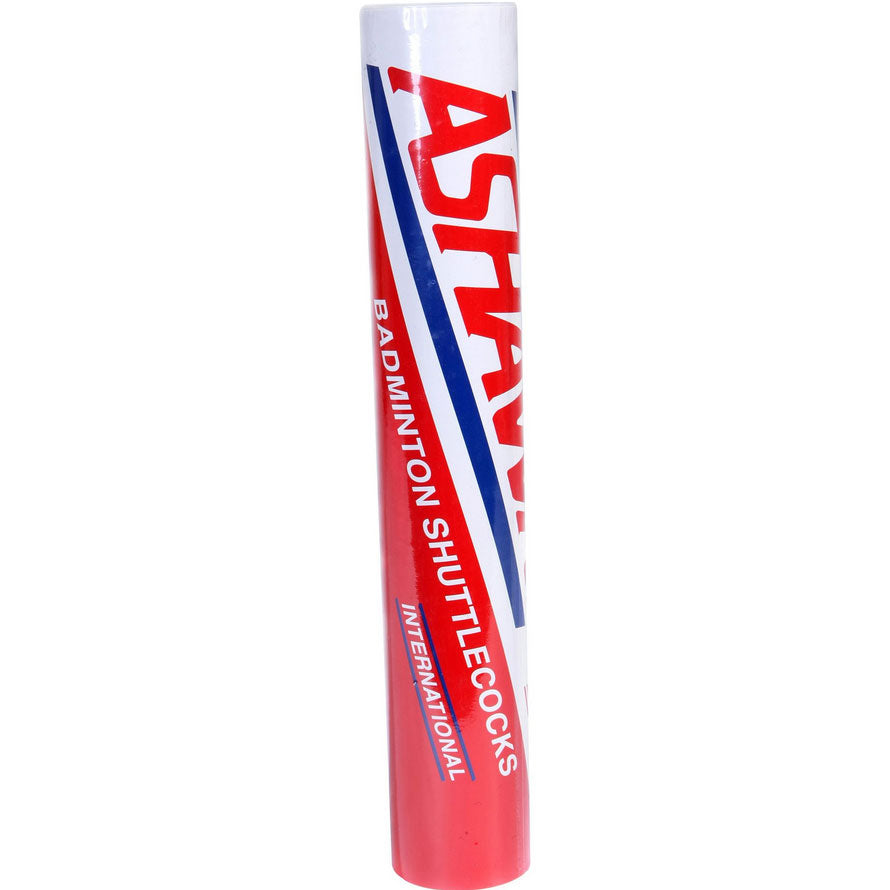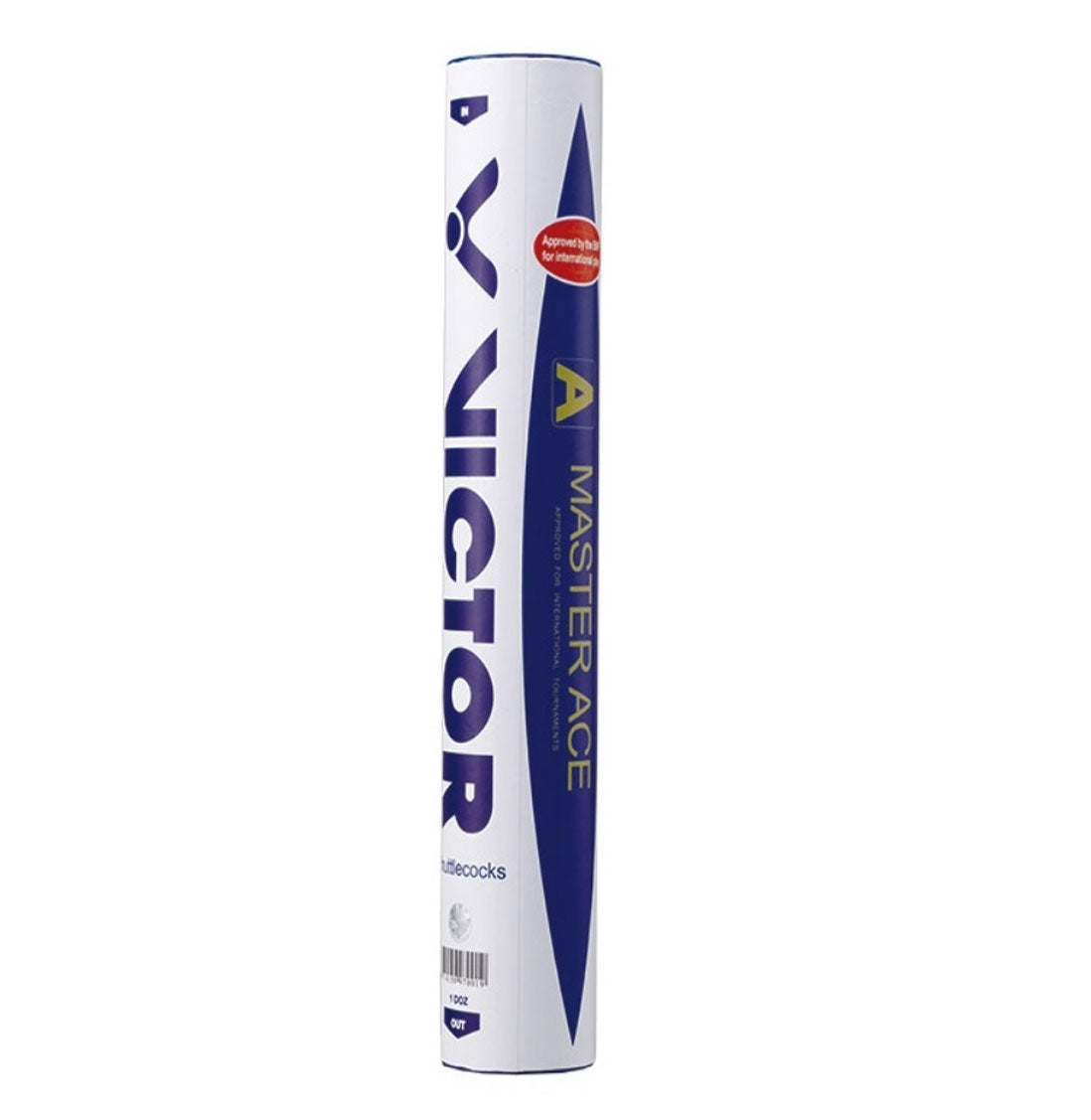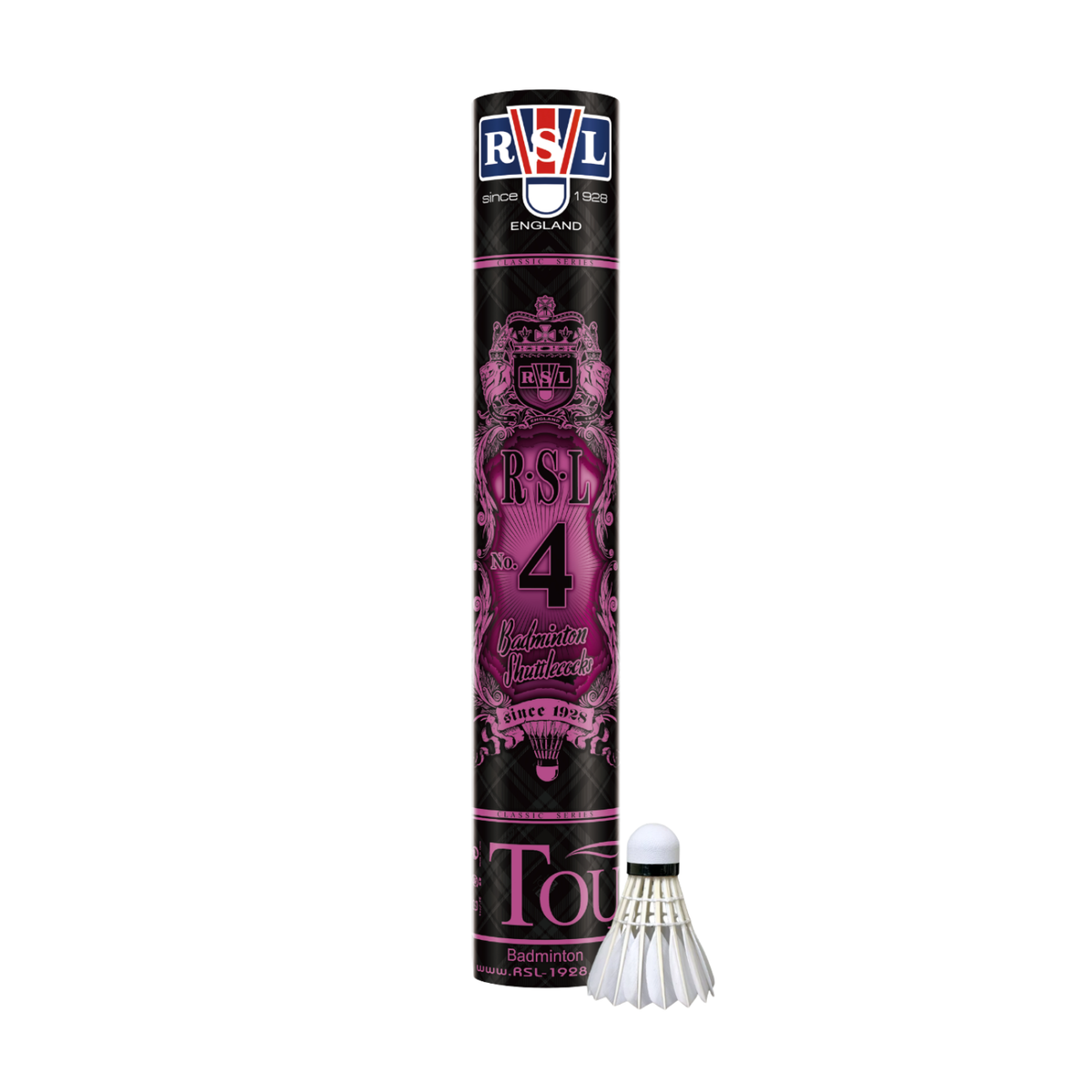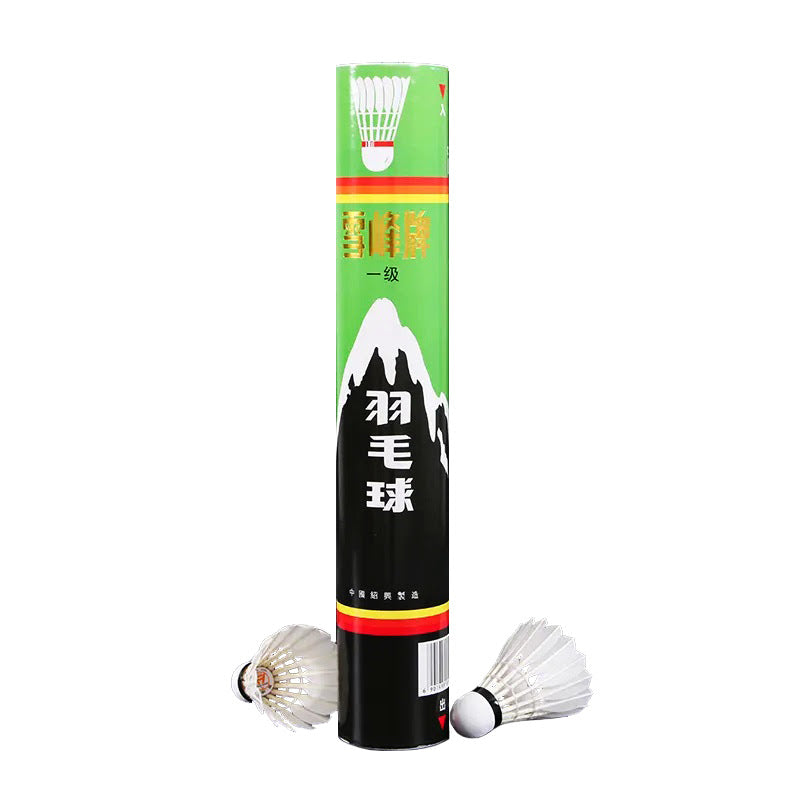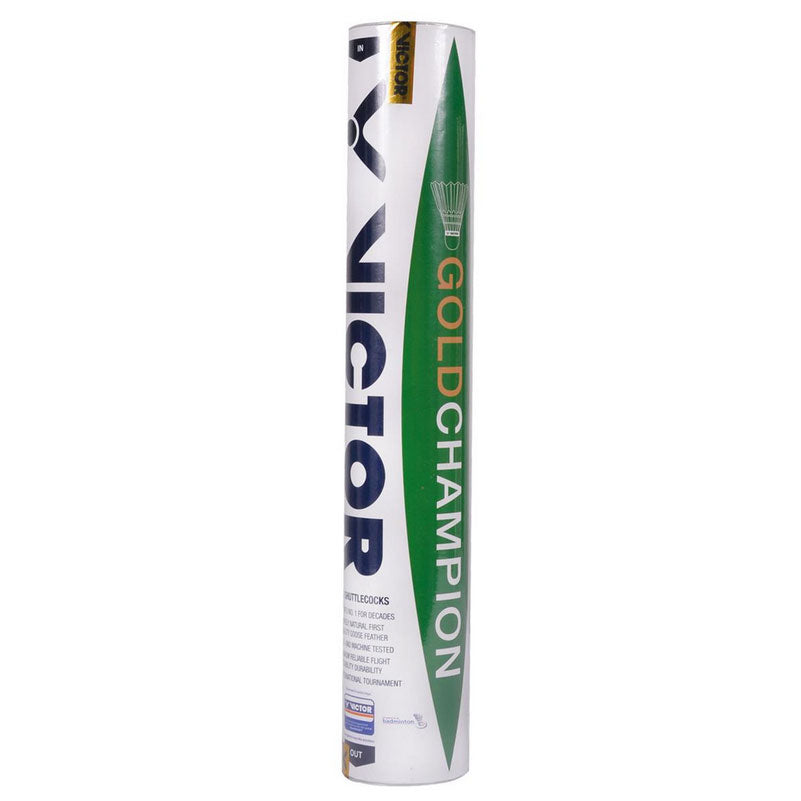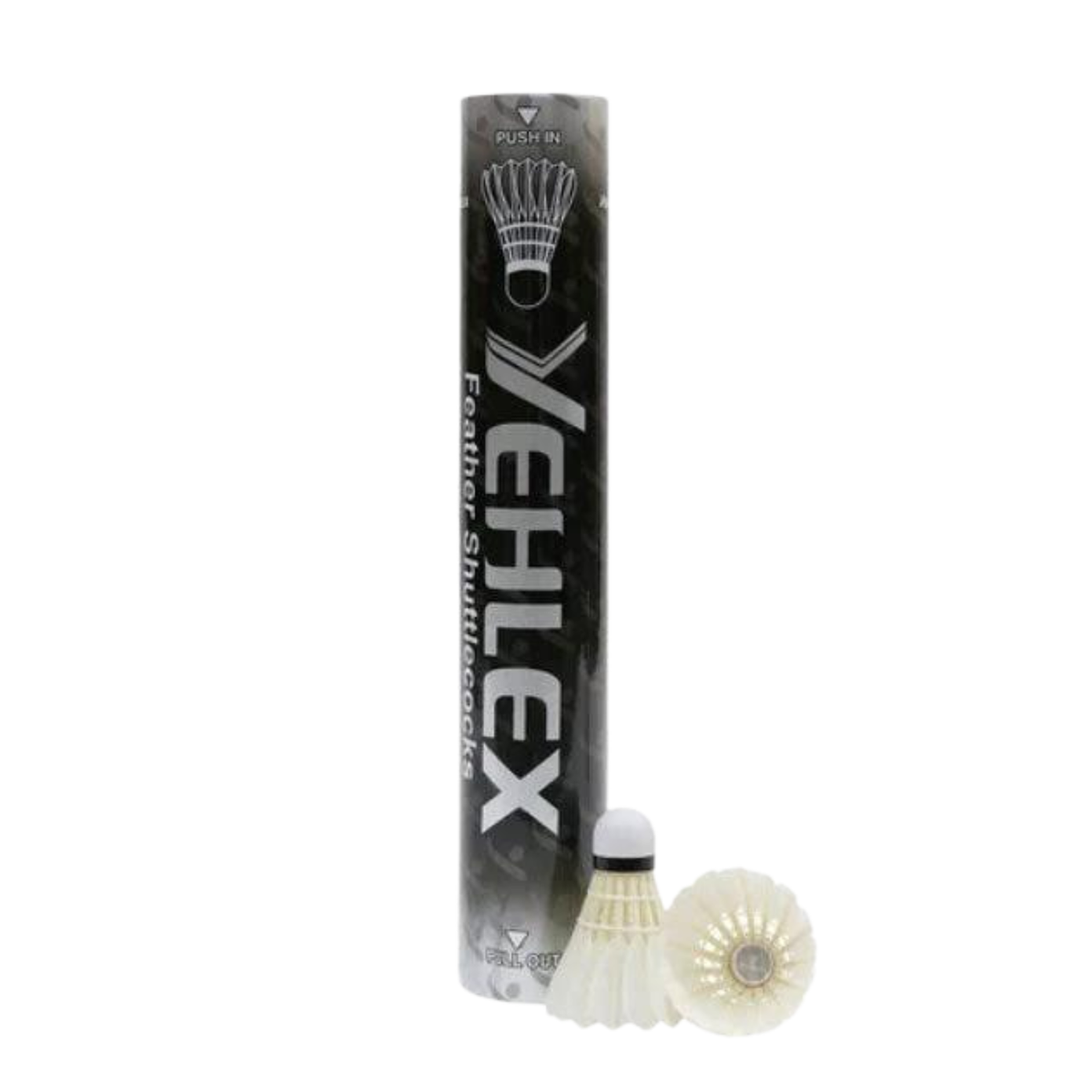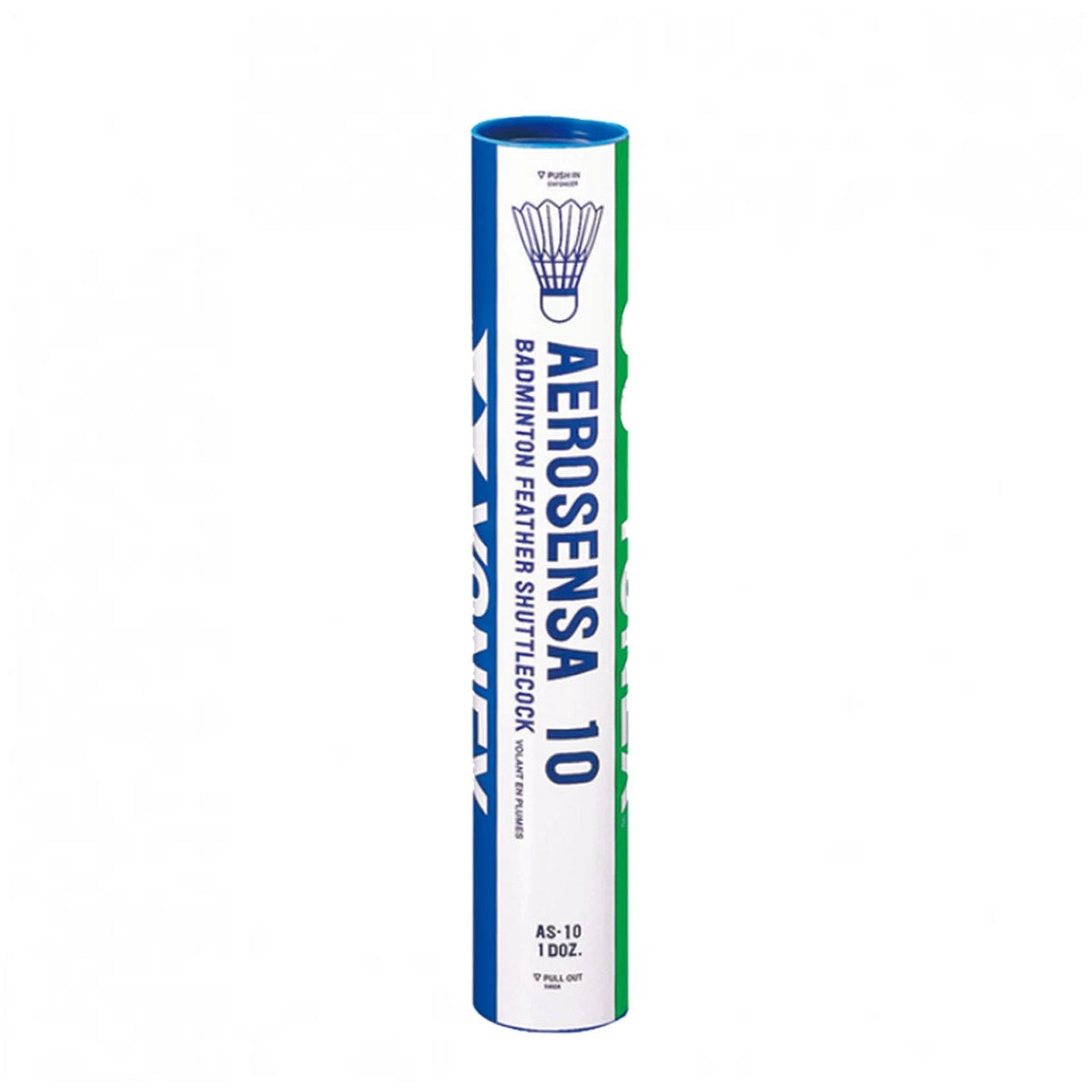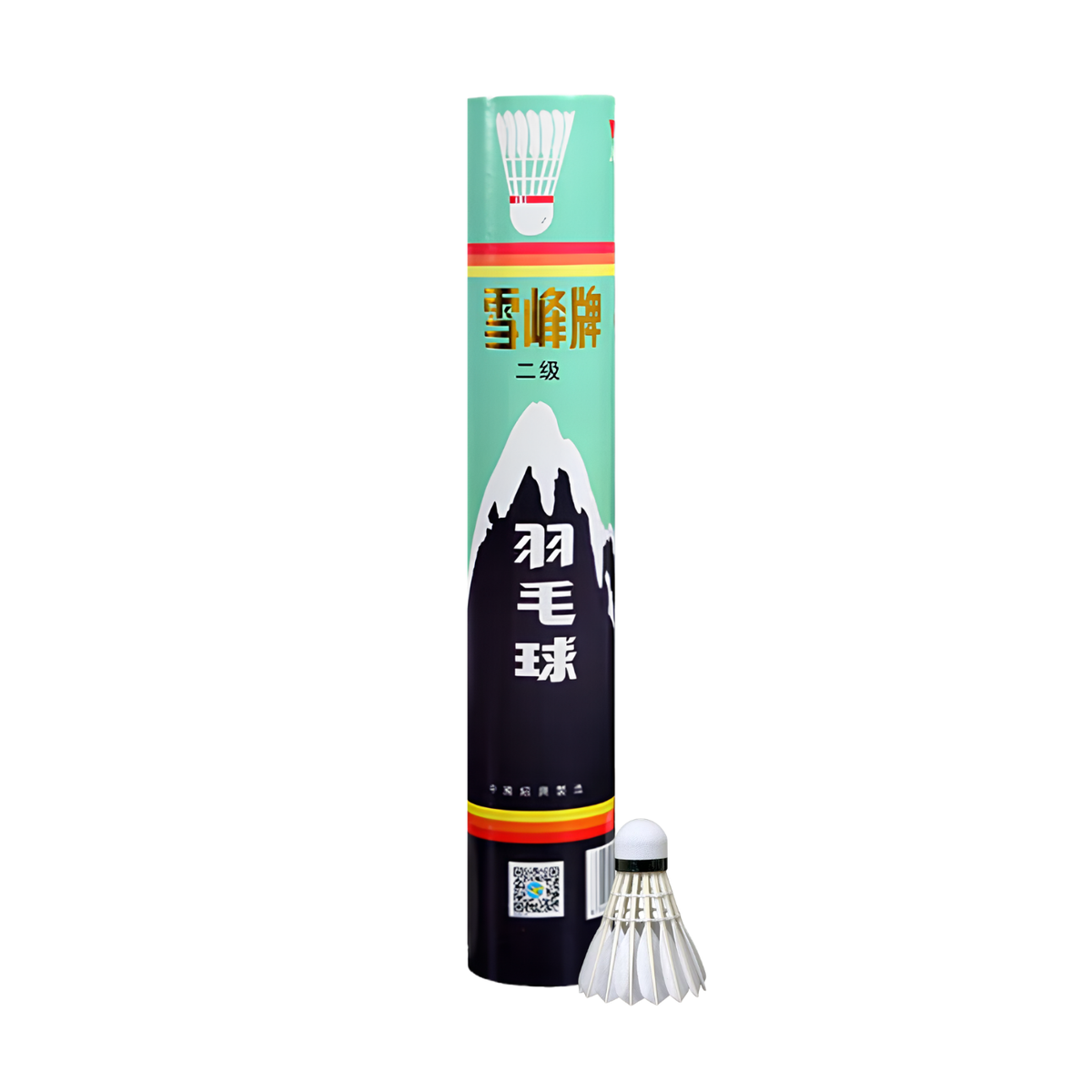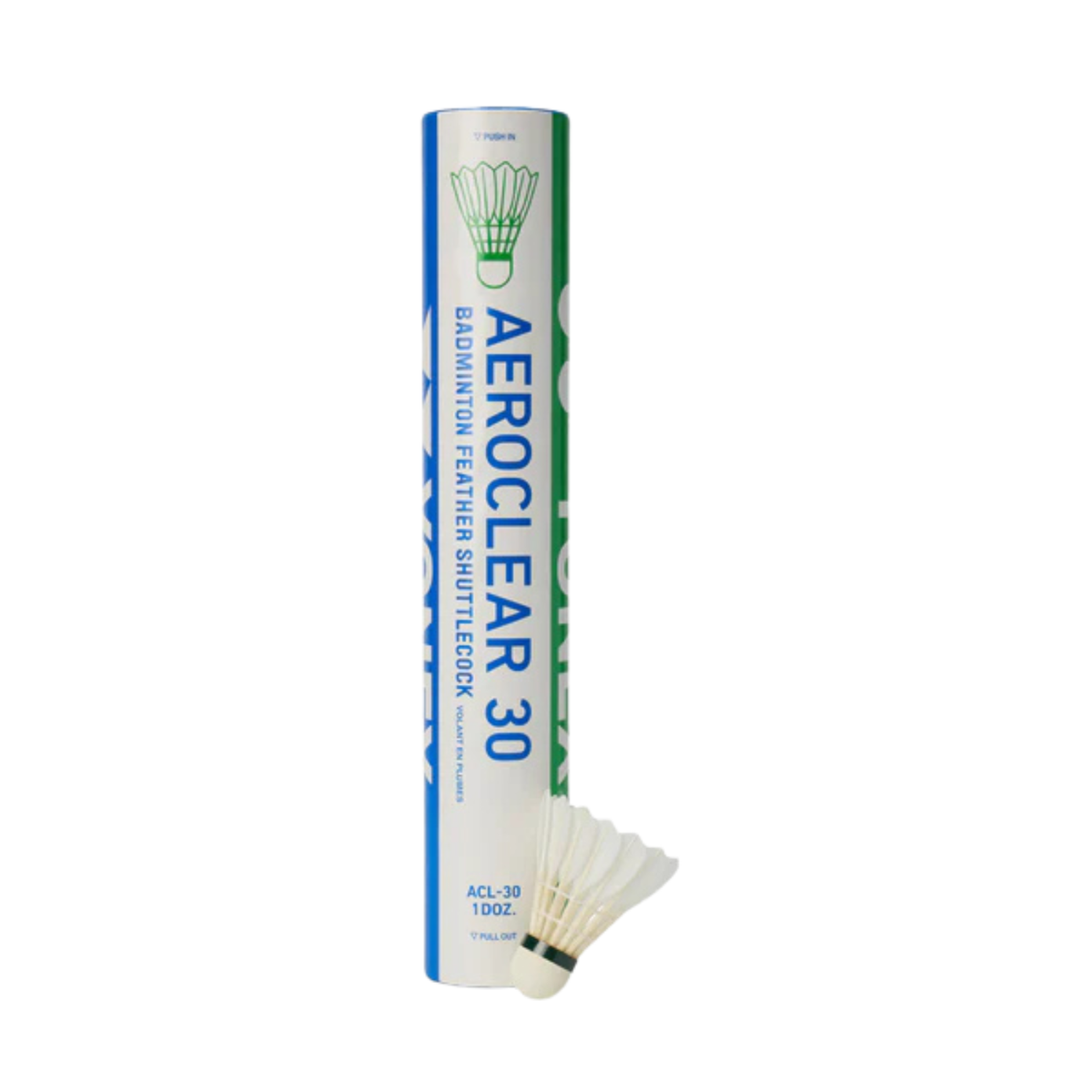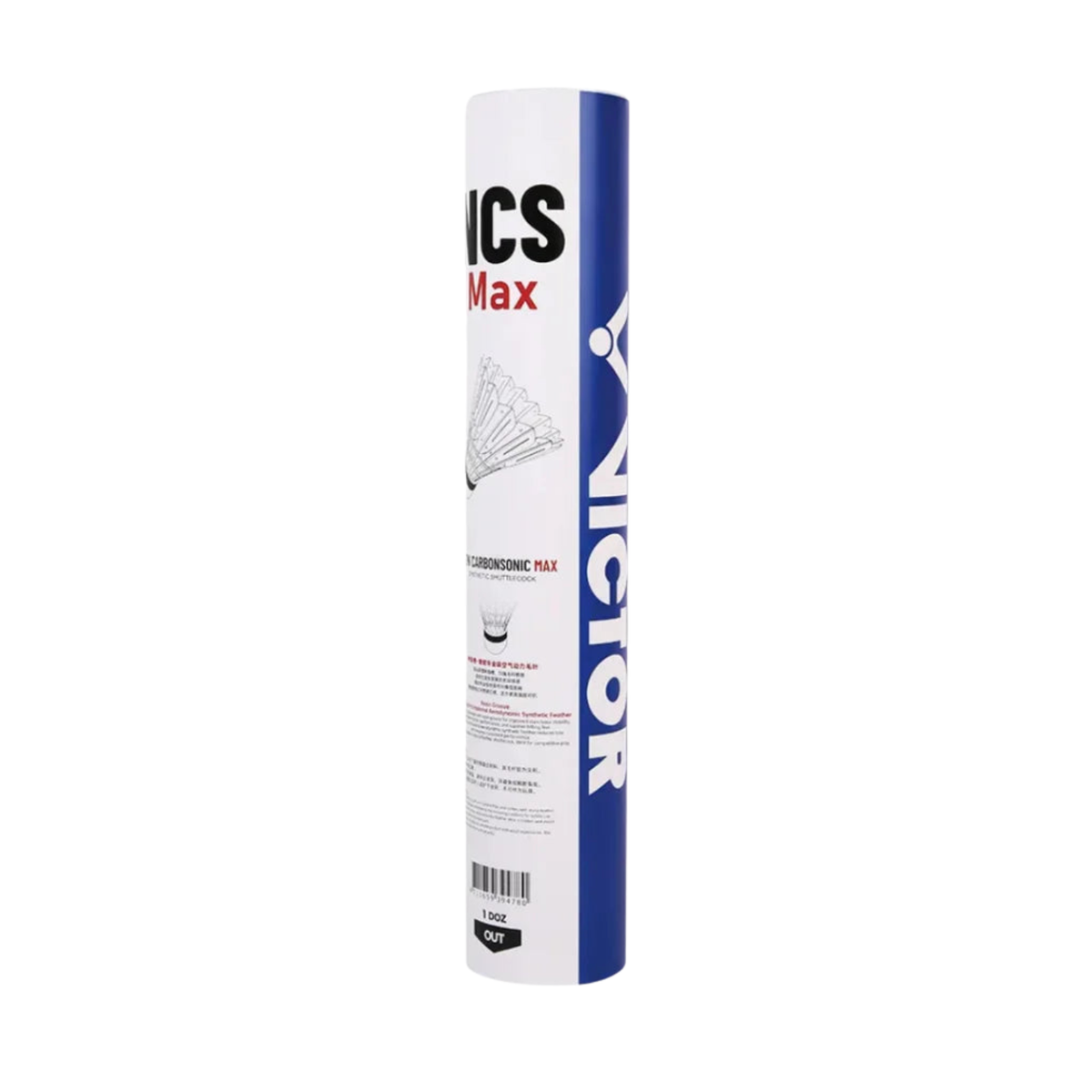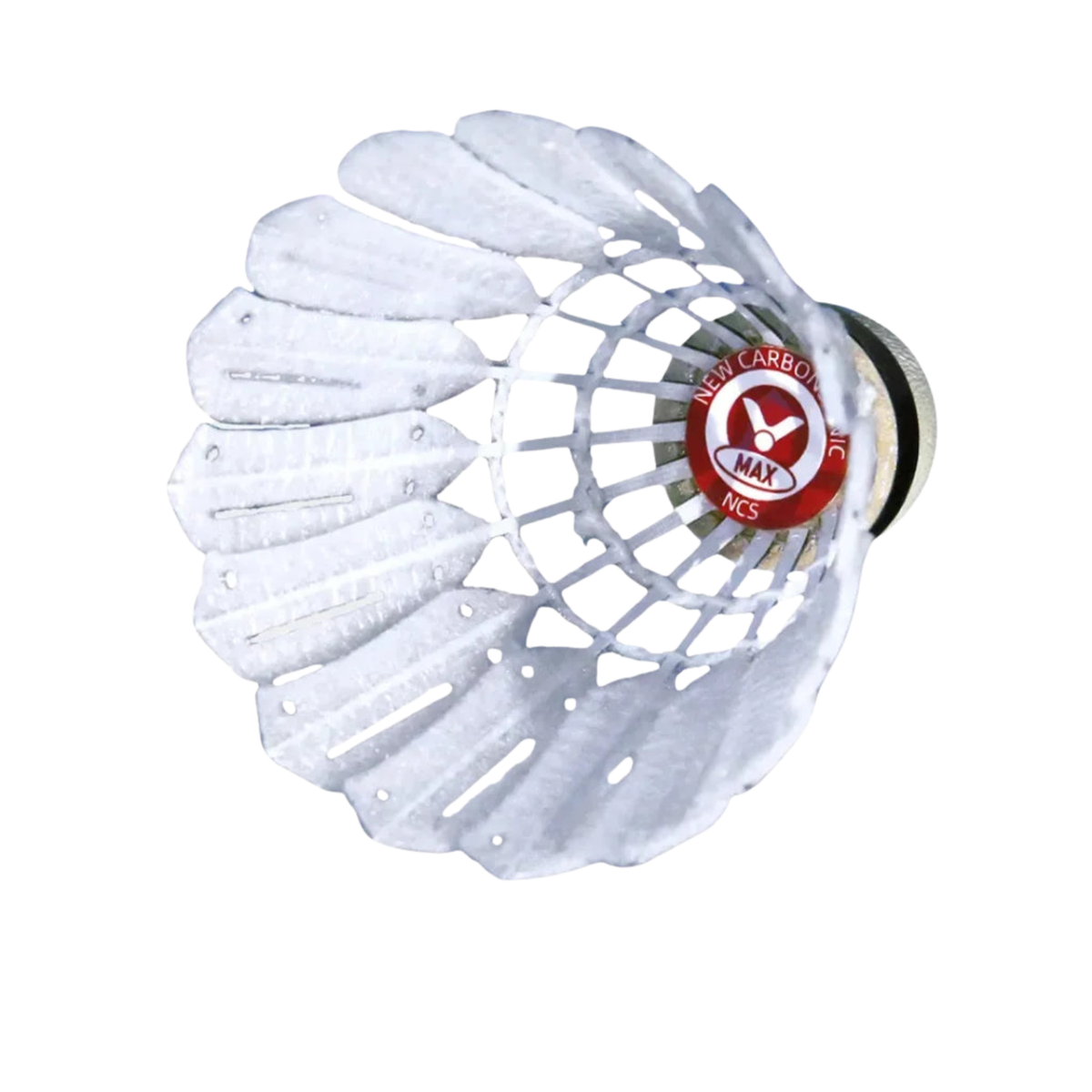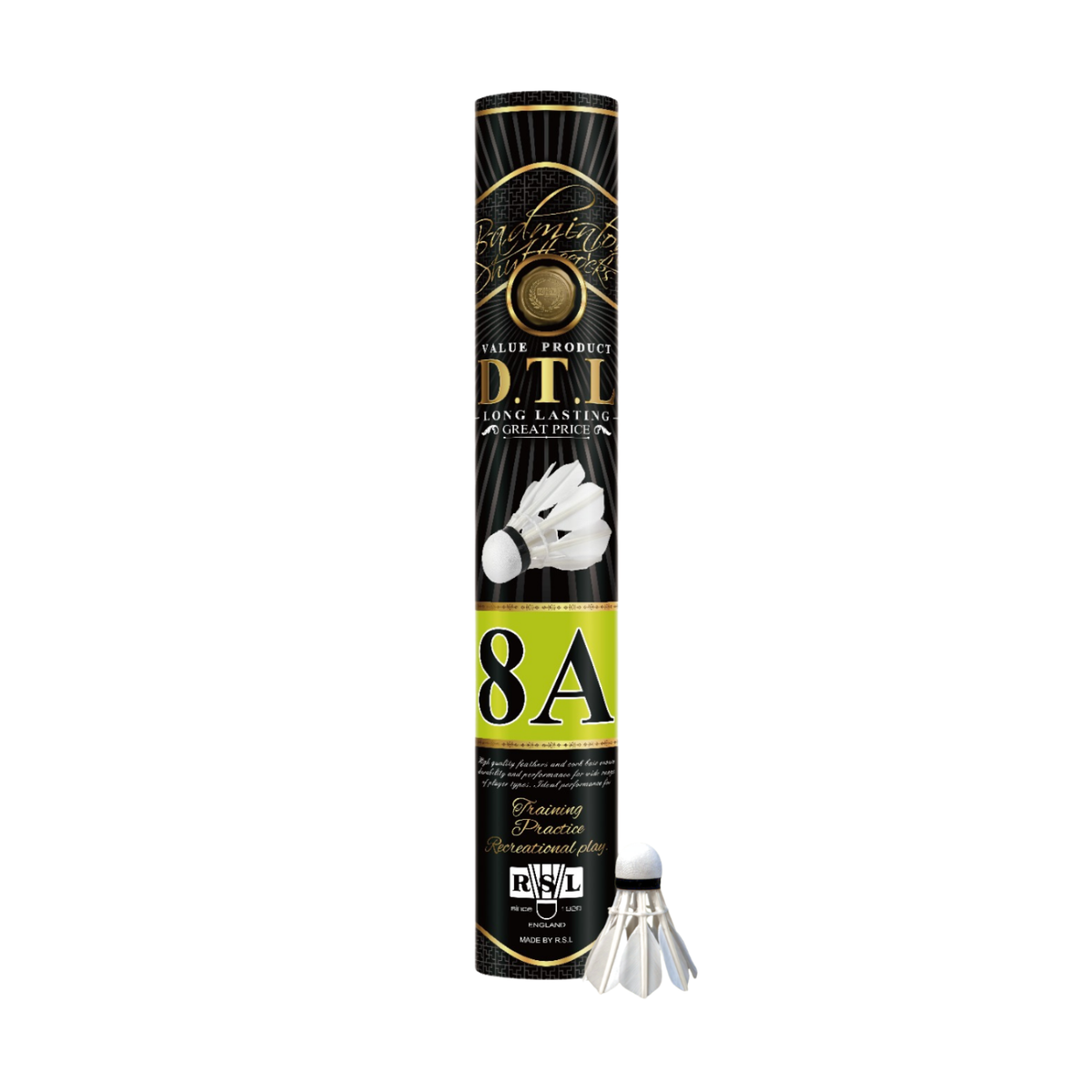
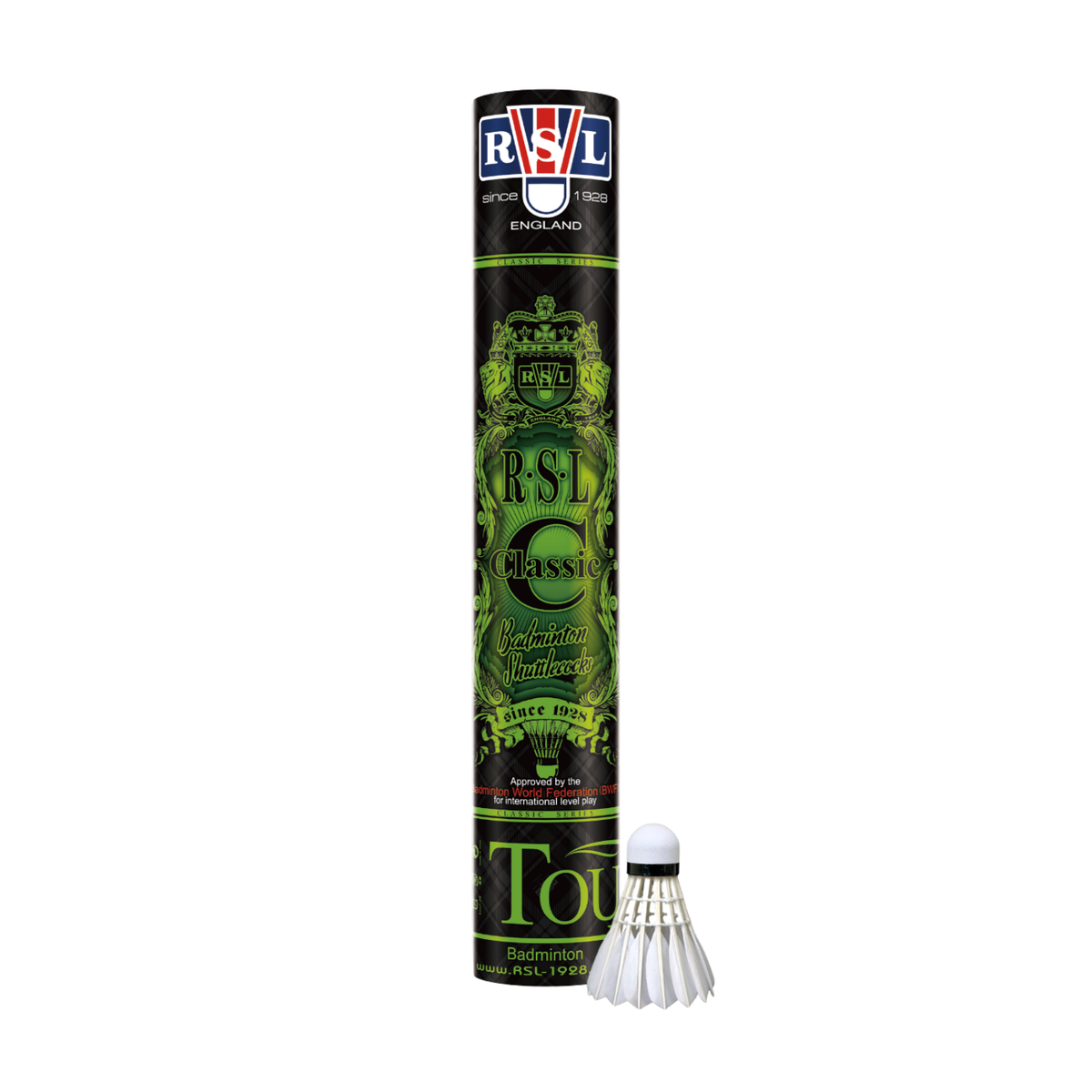
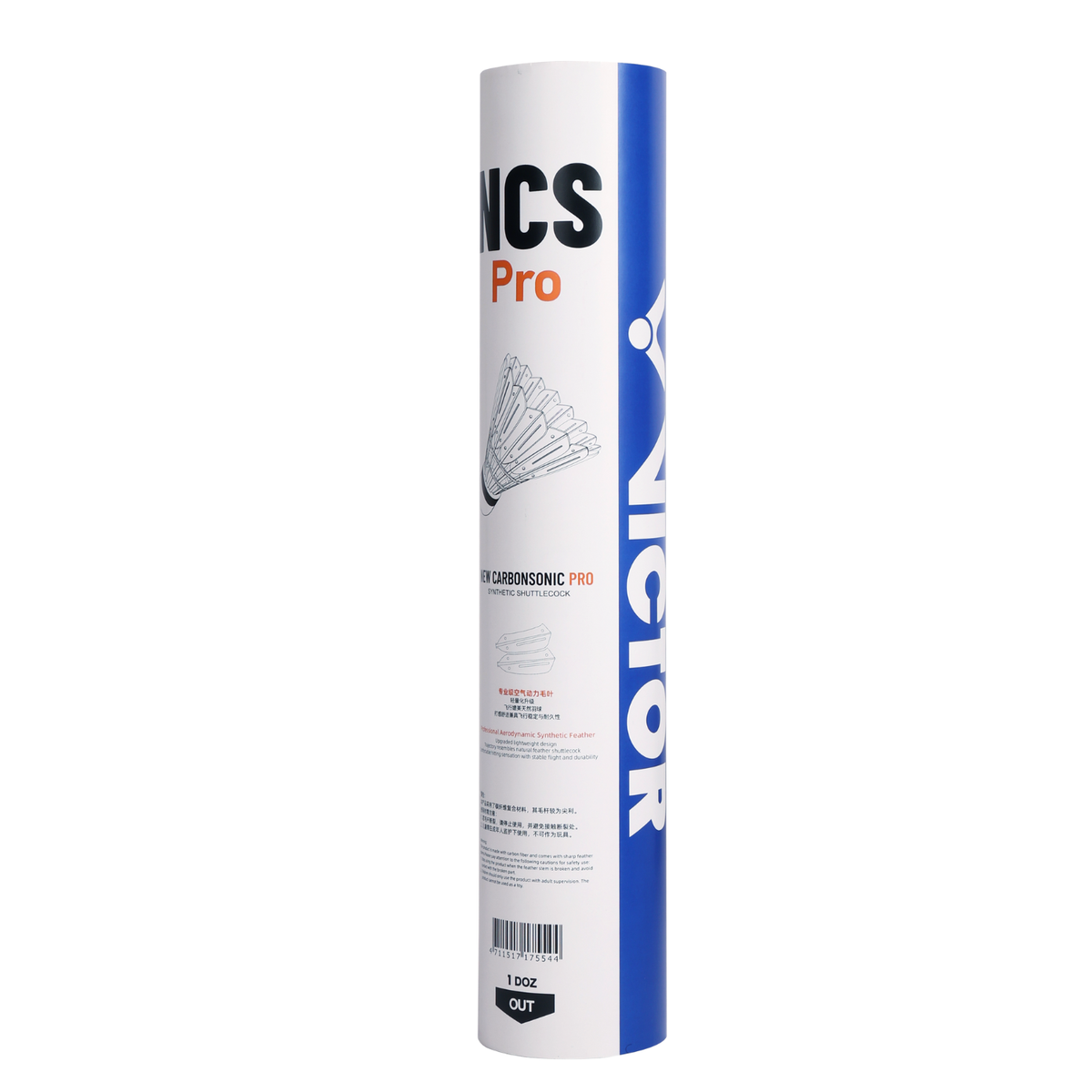
Our feather shuttlecocks are the natural choice for club nights, league matches and tournaments, giving the true flight, sharp turnover and touch at the net that synthetic shuttles cannot quite match. This badminton feather shuttlecock range includes Yonex Aerosensa, RSL Tourney, RSL Classic and DTL, Victor Master Ace and Gold Champion, Babolat and Snowpeak, from durable training feathers through to tournament grade.
See more ▼
When choosing a feathered shuttlecock, start with the speed: most UK halls suit speed 77, colder halls often need 78 and warm halls 76, as our shuttlecock speed guide explains. Next, match the grade to your play: a training feather for club drills, a top grade for leagues and tournaments. Our feather vs nylon guide and best badminton shuttlecocks round-up cover the details. For longer life try hybrid shuttlecocks or nylon shuttles, or browse all shuttles and Yonex shuttles. Our team in Cardiff, Birmingham, Milton Keynes and Hereford can help in store, and we deliver across the UK.
Feather Shuttlecock FAQs
What is the difference between feather and nylon shuttlecocks?
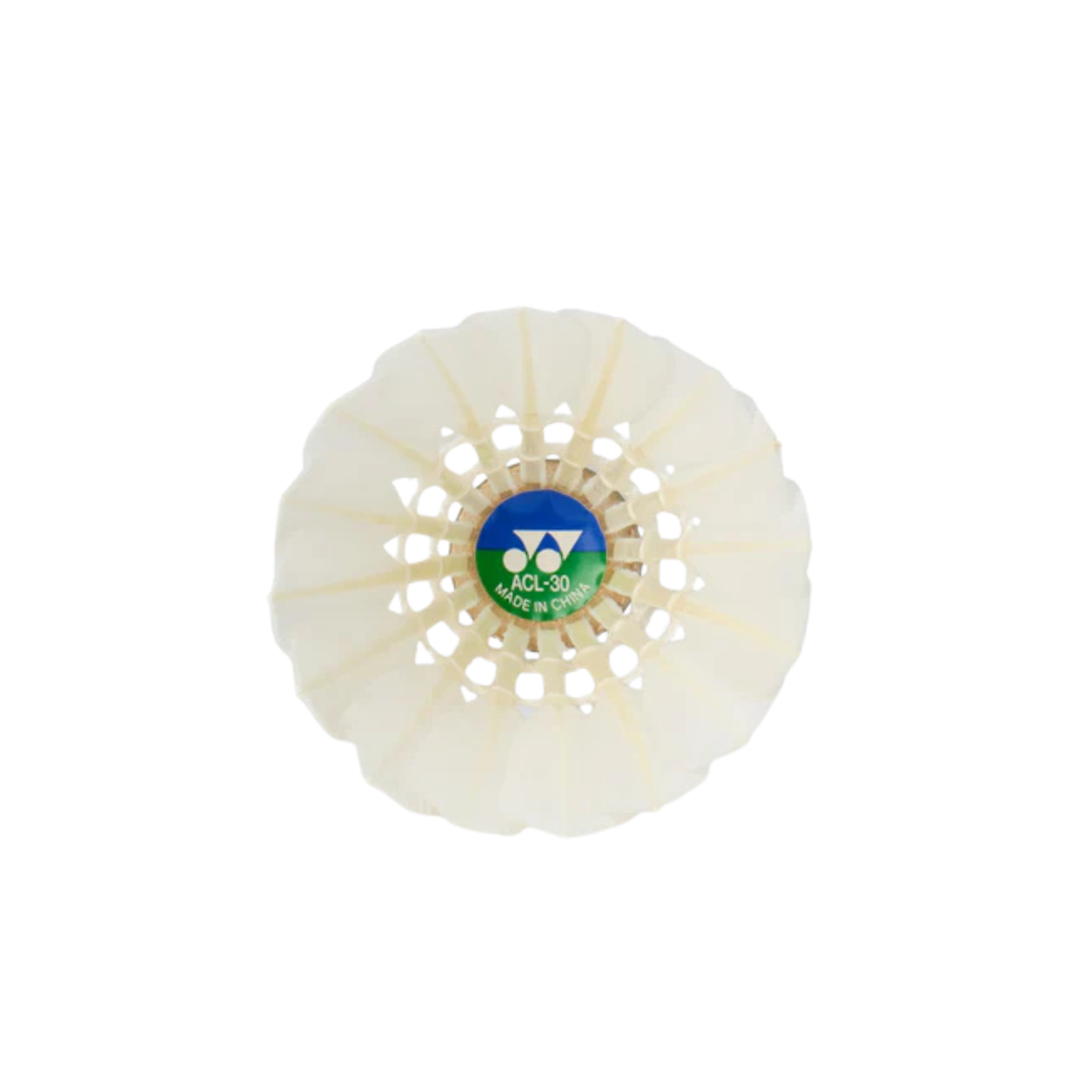
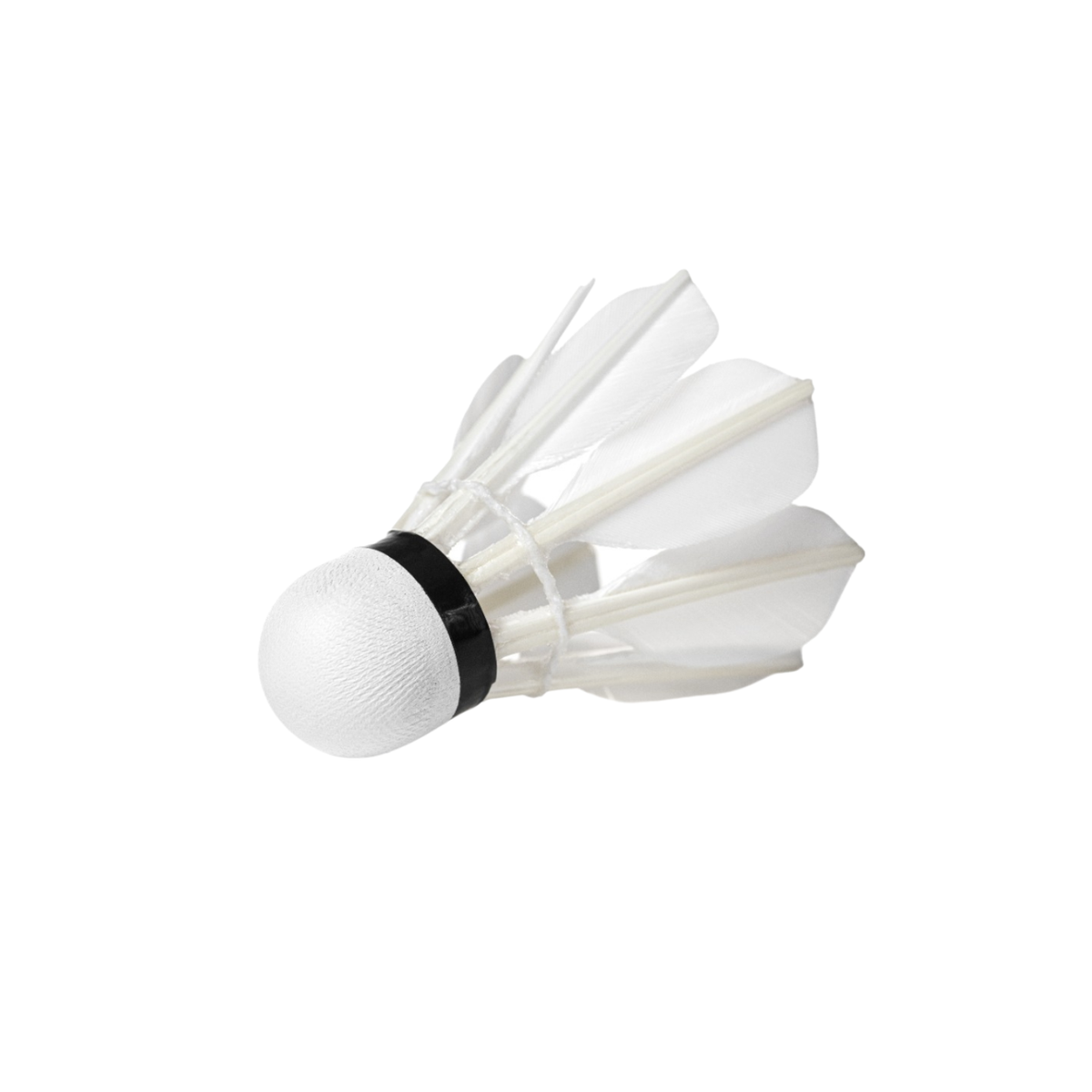
Feather shuttlecocks use 16 natural feathers set in a cork base, so they turn over quickly, slow sharply and respond precisely to touch shots. Nylon shuttles have a moulded skirt that lasts much longer but floats more. Feather is used for competitive play; nylon suits beginners, schools and casual sessions.
What speed feather shuttlecock should I buy?
Speed 77 suits most UK sports halls for much of the year. Choose 78 for cold halls or winter sessions, and 76 for warm halls in summer. The aim is a shuttle that, hit with a full underarm stroke from the back line, lands close to the opposite doubles long service line.
How long does a feather shuttlecock last?
It depends on the standard of play, the hall temperature and how hard the shuttle is hit. In fast doubles a feather shuttle may only last a few rallies before its flight changes. Storing tubes somewhere cool and slightly humid, away from radiators, helps feathers stay flexible for longer.
Why are feather shuttlecocks so expensive?
Each shuttle is made from 16 hand-selected feathers that must be closely matched in shape and stiffness, then fixed into a cork base and tested for flight. Higher grades use more consistent feathers and cork, which is why tournament shuttles cost more than training grades.